Start by naming the claim
An online post can combine a photograph, a dramatic caption and a personal reaction in a way that makes the whole package feel true. Before checking it, separate the parts. What, exactly, are you being asked to believe? A post might claim that an image shows a particular place, that an event happened recently, or that someone said specific words. Each is a different claim and may need a different check.
Write the central claim as a simple sentence, even if only in your head: “This photo shows this event in this location.” Notice details the post leaves out, such as a date, a full name or the origin of a screenshot. A vague claim is hard to verify, and that difficulty is itself a reason to slow down. Feeling surprised, pleased or angry does not make the claim false, but it can make you more eager to pass it on.
Trace the information back
Look for the earliest identifiable source rather than treating the post in front of you as the source. If it quotes an article, open the article. If the article describes a report or a public statement, look for that material. Check whether the original actually supports the wording in the post. A headline may simplify a careful explanation, while a cropped screenshot may omit a qualification that changes its meaning.
Pay attention to who is speaking and what they would be in a position to know. A firsthand account can offer useful detail, but it may still reflect a limited viewpoint. A commentator can explain an event without having witnessed it. Reposts from many accounts do not necessarily provide independent confirmation; they may all lead back to one unverified post. When you cannot find an identifiable starting point, avoid presenting the claim as established fact.
Check the missing context
For text, search a distinctive phrase from the claim and compare the fuller versions you find. Read beyond the headline, paying particular attention to dates, locations and words such as “may,” “estimated” or “according to.” For a quotation, look for the complete passage or recording. A genuine sentence can still mislead when it is detached from the question it answered or the subject it described.
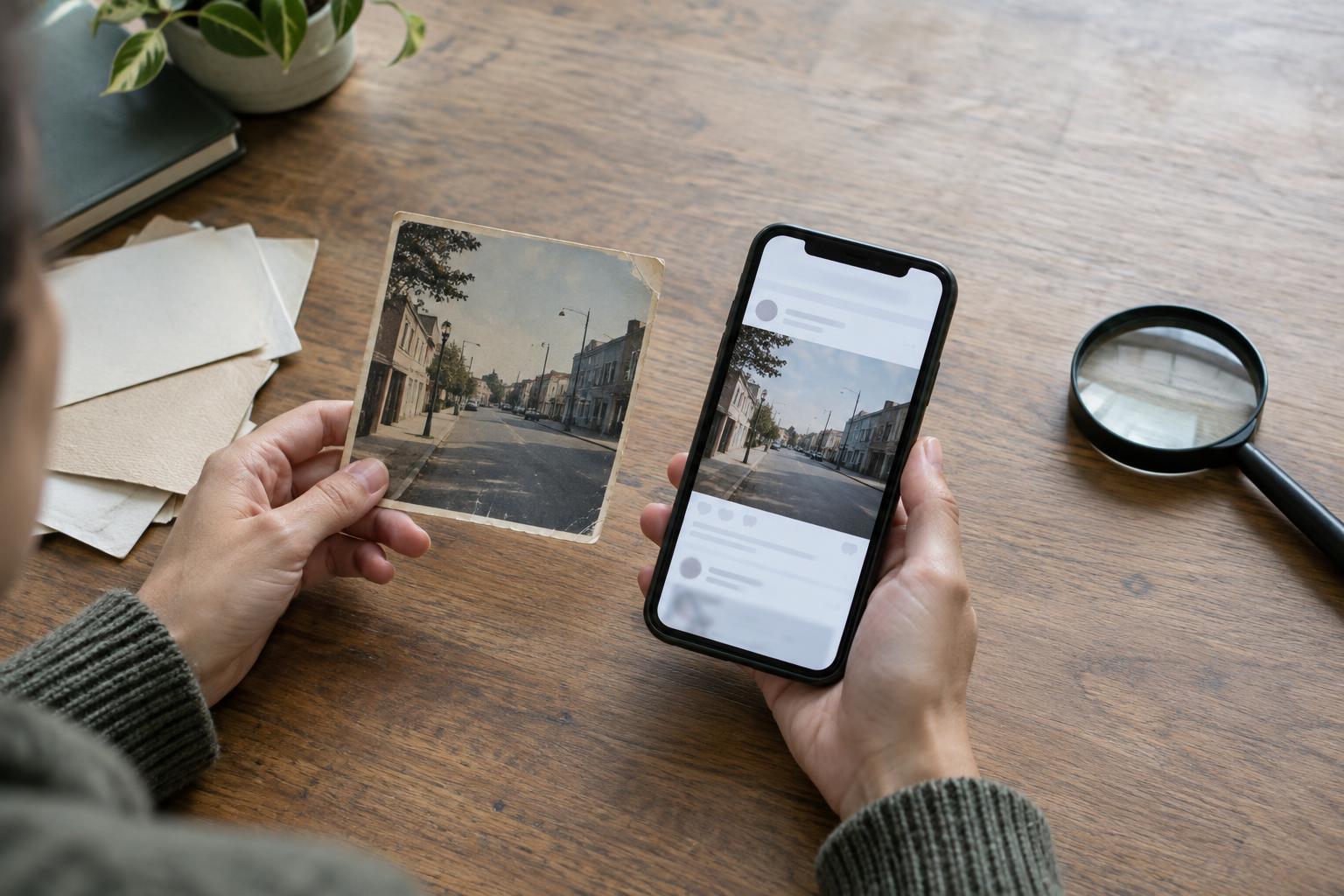
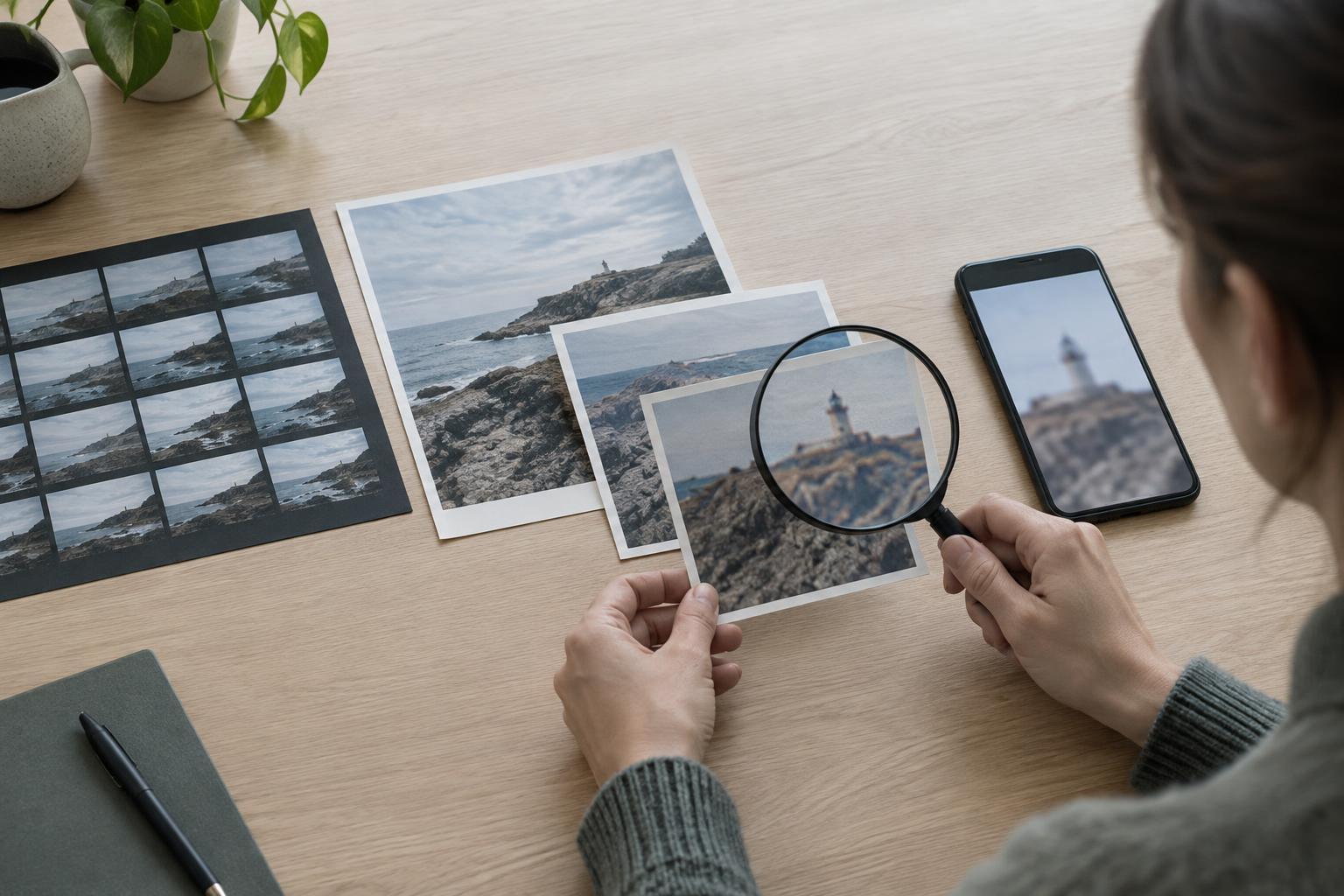
Images and clips need context too. A reverse image search may help you find an earlier appearance of a picture, though a failed search proves little. Look for visible signs, weather, landmarks and other details that might support or challenge the caption. With video, check whether a longer version is available and whether the audio belongs with the footage. These clues can reveal questions worth pursuing, but a visual resemblance alone is rarely enough to settle a disputed claim.
Seek independent support, not just agreement
Once you have found a possible source, see whether other sources support the same specific claim. Independence matters more than the number of matching posts. Two accounts quoting the same screenshot have not checked each other. Stronger support may come from separate firsthand records, a complete primary document, or reporting that explains how its information was obtained. Consider whether each source confirms the central claim or merely repeats a related detail.
Watch for a shift in meaning as a story spreads. “A proposal was discussed” can become “a decision was made”; an example can become a general rule. Compare the language of the original material with the version you are considering sharing. You do not need to resolve every possible question. You do need enough support for the particular statement you intend to make, especially when it concerns an identifiable person or could cause harm.
Choose how, or whether, to share
Verification does not always end in a clear yes or no. You might confirm that an image is real but not where it was taken, or find reliable accounts that disagree on a key detail. In that case, say what you can establish and what remains uncertain. If the uncertainty is central to the post’s appeal, waiting or not sharing may be the most accurate response.
If you do share, link to the clearest available source and describe it in your own precise words. Avoid repeating an unsupported allegation merely to warn others about it; that can give the allegation another audience. If you later learn that a post you shared was misleading, correct it where the original audience can see the correction. The goal is not to become certain about everything online. It is to give a claim enough attention that your share does not turn a question into an apparent fact.