Start with the exact claim
Before searching, put the claim into one sentence. Separate what you can observe from what the post asks you to believe. A video may show a crowded room; its caption may claim the crowd gathered for a particular event. Those are different claims, and each may need different evidence.
Note the details that could be checked: names, locations, dates, quoted words, numbers and the person or organization supposedly responsible. If a post says “a study proves” something, ask which study and what, specifically, it found. If it says “this happened today,” ask where and according to whom. This small pause prevents a broad search from turning into a hunt for anything that seems to agree.
Follow the trail backward, not sideways
Look for the link, credit or citation attached to the post. Open it rather than relying on the preview or headline. Then inspect what that page cites. Reposts often point to other reposts, so keep moving backward until you reach material that documents the claim directly or the trail stops.
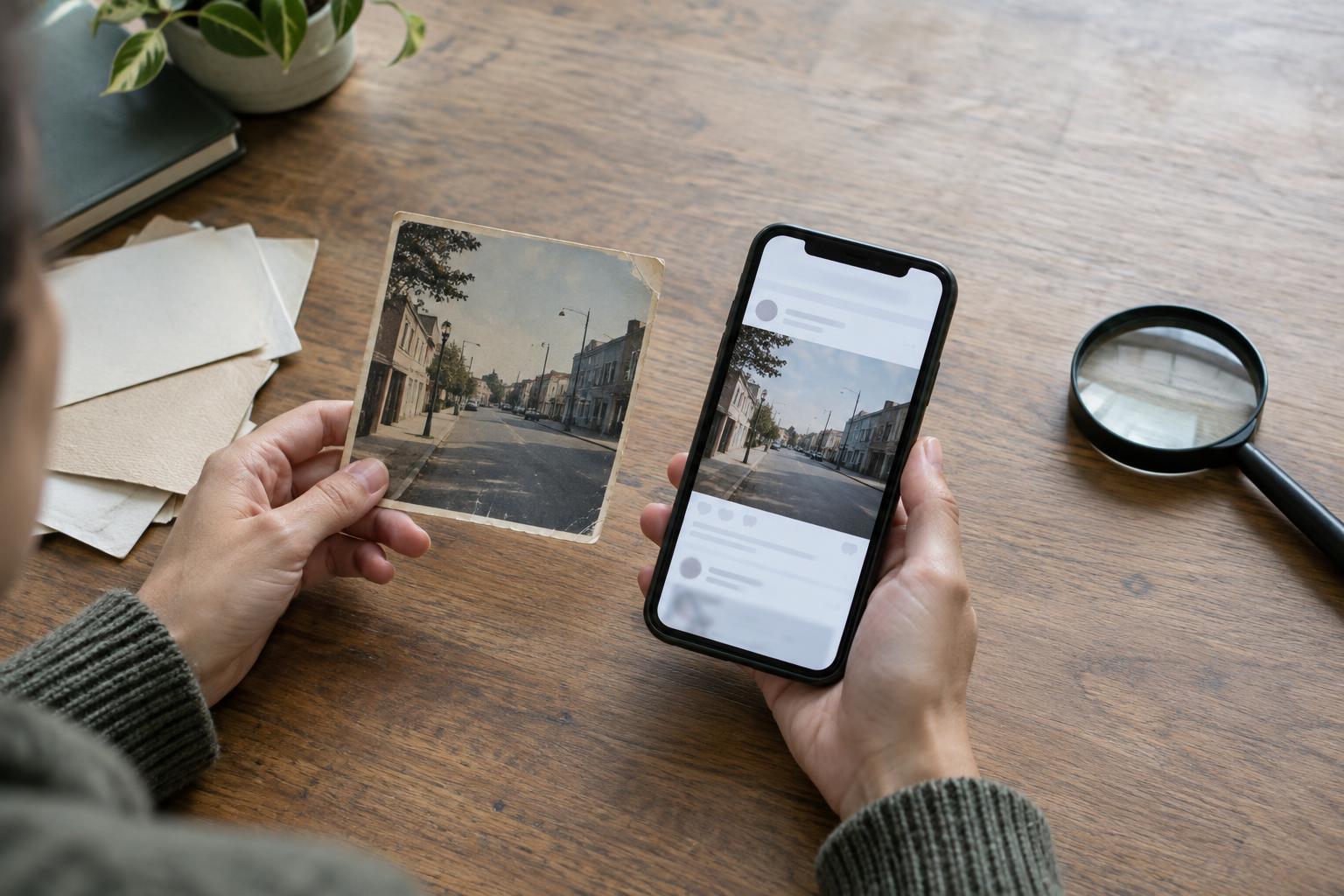
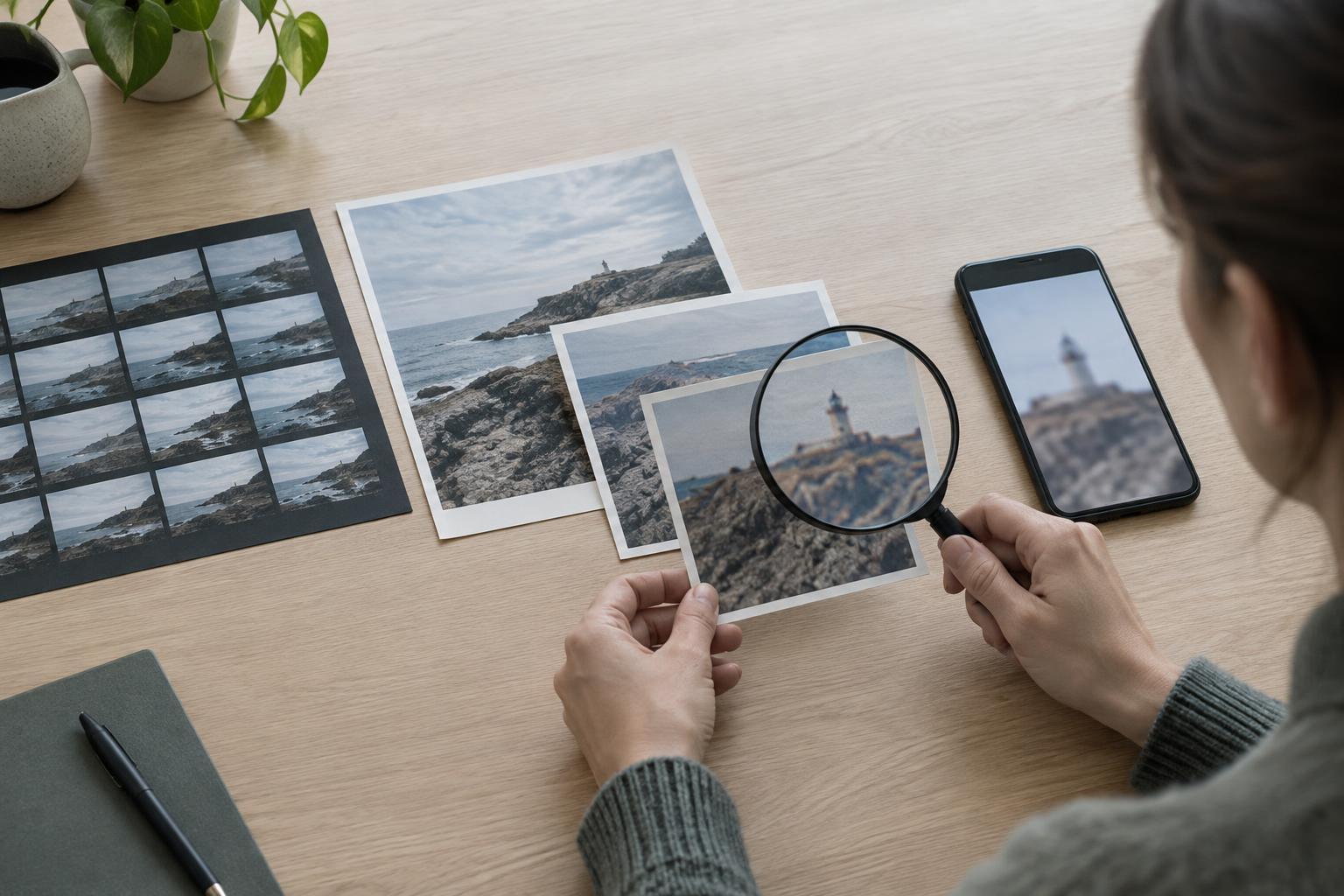
Search for a distinctive phrase from the claim in quotation marks. For an image, try a reverse-image search; for a video, a search using a clear frame may help locate other copies. Compare captions and publication details as you go. An older appearance can show that an image predates the event now being associated with it, but it does not automatically reveal where or why the image was made.
Keep a simple trail in your notes: where you found the claim, what each link led to and which details changed between versions. This is especially useful when a confident number becomes a vague description, or when a cautious statement becomes a firm assertion after several retellings.
Decide what “original” means in this case
The first post you can find is not always the best source. An eyewitness post may be the earliest available account of an incident, but a full recording might provide more context. A news article may accurately summarize a report, while the report itself is the better place to check a quoted figure. For a quotation, the original speech, interview or written statement is usually more informative than a graphic carrying the words.
Ask whether the source could know what it claims to know. Someone who filmed an event can show what their camera captured, but may not know why every person was there. An organization can describe its own policy, but its announcement does not by itself establish the policy’s effects. A research summary may state a conclusion accurately while leaving out limitations explained in the full text. Identifying a source is the start of evaluation, not the end.
Check the surrounding context
Once you locate the closest available source, read or watch beyond the excerpt. Check what came before and after a quoted line, how a chart labels its axes, and whether an image’s caption gives a different location or date. For studies and reports, look at what was measured and whether the claim applies to the same group or situation. A source can be genuine while a shortened version gives a misleading impression.
Pay attention to what each piece of evidence can actually establish. A screenshot may preserve the appearance of a post, but it can be cropped or altered; finding the post itself offers another way to check it. A timestamp may tell you when something was uploaded, not when it was recorded. Several articles repeating one account do not necessarily provide several independent confirmations. Look for separate evidence when the distinction matters.
Know when the trail runs out
Sometimes the original post has been deleted, a document is unavailable or an anonymous claim cannot be checked further. That does not prove the claim false. It means you have reached a limit on what you can verify. Describe that limit plainly: “I found reposts, but not the original recording,” or “The report supports the number, but not the caption’s explanation of why it changed.”
You do not need to solve every mystery before deciding whether to share something. If a claim’s source is missing or its context remains uncertain, you can leave it unshared or pass it along with a clear qualification. Tracing a claim is less about finding a perfect first link than about preserving the difference between what you saw, what a source says and what you can reasonably conclude.