The joke is the broken expectation
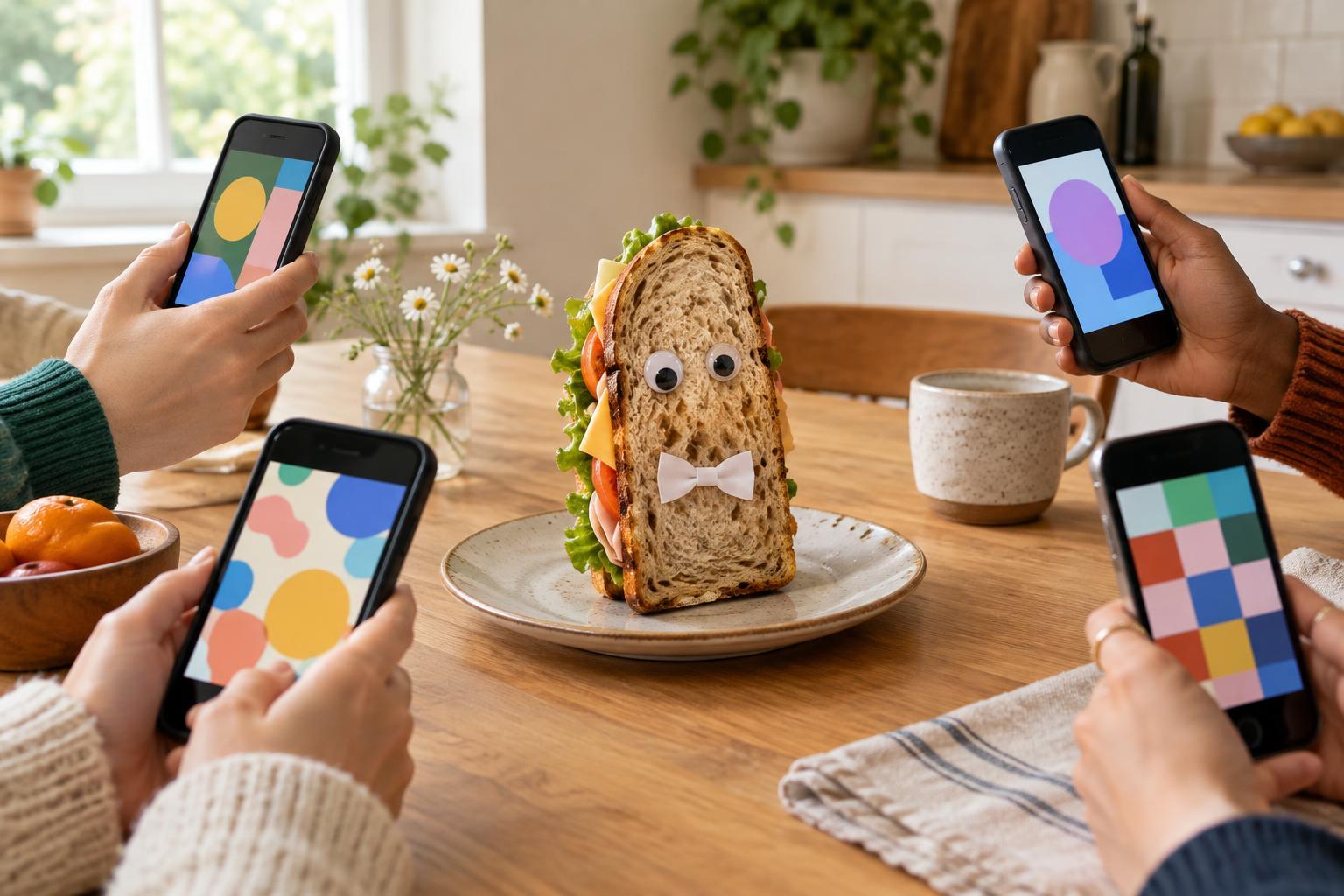
Absurdist humor often begins with a recognizable setup and then refuses to deliver the expected ending. Imagine a polished announcement graphic that declares a houseplant the new office manager. The design suggests important news; the message is plainly ridiculous. That gap between presentation and meaning is where the joke lives. It does not require a punchline so much as a willingness to notice that something is confidently out of place.
Online, people encounter images, headlines, captions and announcements side by side. That mix gives creators plenty of familiar forms to bend. A mundane photo can be paired with grand language, or an ordinary inconvenience can be described as a mythic struggle. Because audiences already know what these formats usually do, a small change can create a surprisingly large comic effect.
A fast feed rewards a quick surprise
Many online jokes must make an impression before someone scrolls past. Absurdity can do that with a sharp mismatch: a dramatic caption under a picture of a single spoon, for example. The viewer does not need to learn a long backstory to see that the tone and subject do not belong together. The moment of confusion becomes an invitation to look again.
That does not mean every strange post succeeds. If the connection is too obscure, viewers may simply move on. The most accessible absurdist jokes usually offer a foothold, such as a familiar template, a common feeling or an instantly legible image. They give the audience enough structure to recognize the joke while leaving room for the unexpected.
Shared nonsense can become a social language
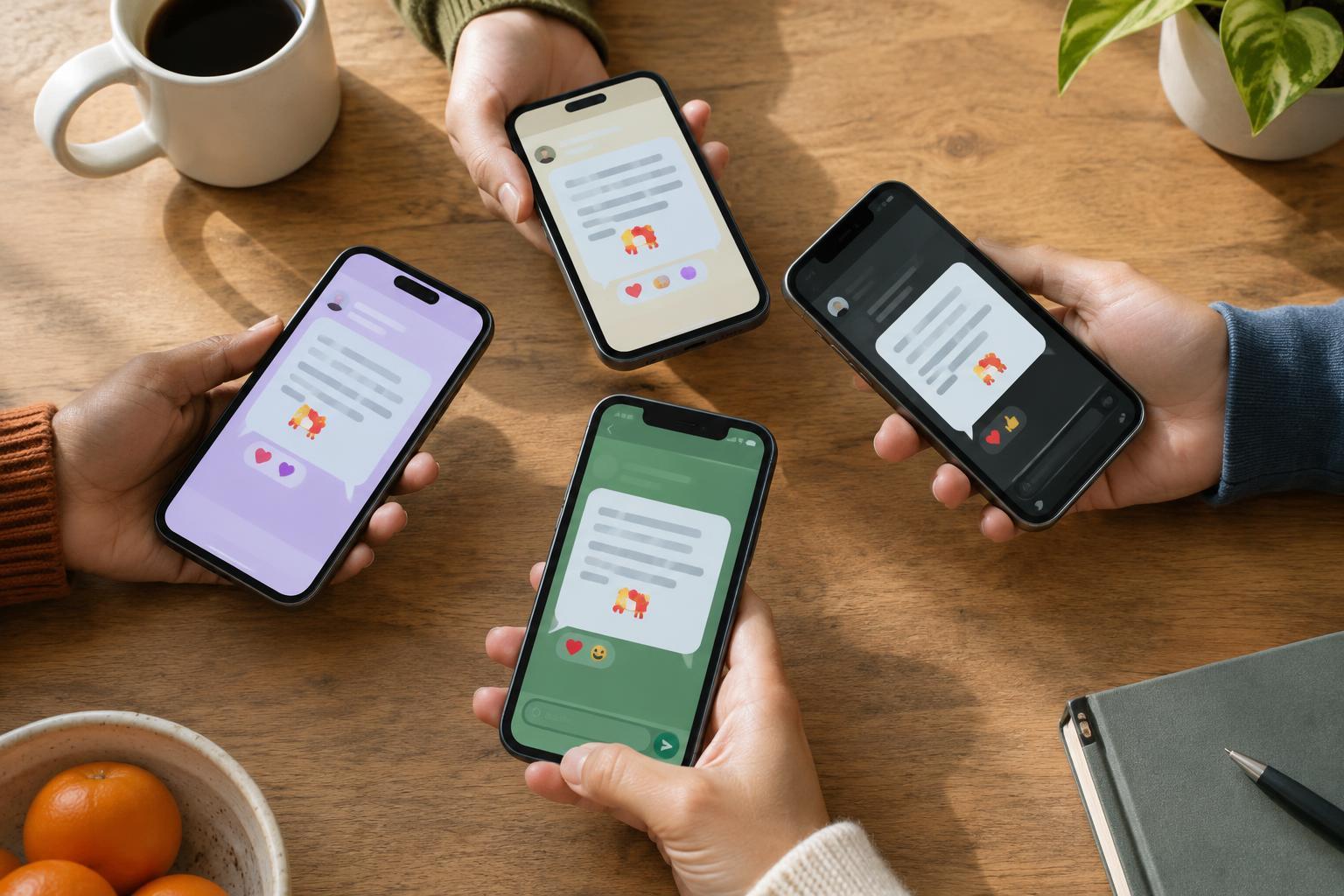
An absurd joke may start as a one-off, but replies and remixes can give it a life beyond its original post. Someone invents a fictional rule about pigeons attending meetings; someone else writes a mock agenda; a third person contributes a poorly edited portrait of the pigeon chairperson. Each addition treats the premise as if it matters. The humor grows from that collective commitment rather than from any one perfect line.
These recurring references can help a group feel like a group. Understanding why a particular object, phrase or character keeps appearing offers the pleasure of being in on the bit. At the same time, inside jokes can confuse newcomers. Communities that want others to join the fun may leave clues in captions or replies, or build on ideas that remain funny even without knowing every earlier post.
Nonsense gives ordinary feelings a strange costume
Absurdity is not always detached from real life. A post that imagines a laptop asking for a day off might be a playful way to express frustration with work or technology. By making the feeling ridiculous, a creator can acknowledge it without turning the post into a direct confession. Viewers who recognize the feeling may connect with the joke even when its literal premise makes no sense.
This distance can also make a subject easier to discuss, though it has limits. A bizarre caption does not automatically make a sensitive topic harmless, and irony can obscure what someone actually means. Context matters: the same joke may feel affectionate in one community and dismissive in another. Absurdist humor works best when the strange surface still leaves room to consider the people underneath it.
The format is easy to change and pass along
Online posts are made from pieces that can be copied, cropped, captioned and rearranged. Absurdist humor fits that environment because its premise often invites variation. Once people understand the pattern of a mock warning sign about a harmless object, they can make their own version with a different object. The joke becomes less like a finished performance and more like a game with flexible rules.
That flexibility helps explain why absurdist humor feels at home online, but it is not the whole story. Its appeal also comes from how people use it: to surprise each other, signal shared taste and turn everyday experiences sideways for a moment. The result may look like nonsense to an outsider. To the people participating, it can be a compact form of creativity and connection.