A slang term is more than a definition
A word can look familiar and still leave you unsure what someone means. Online, slang does more than name a thing: it can signal affection, mock someone gently, invite others into a joke or show that the speaker knows a community’s habits. The phrase “main character,” for example, might praise someone for enjoying a moment. In another conversation, it might criticize someone for acting as though everyone else is a supporting character.
The difference is not necessarily a misunderstanding. Slang gathers meaning from who says it, who hears it and what has just happened. Tone matters too. A friend’s playful comment under a photo may land differently from the same words in an argument. Reading slang well often means reading the exchange around it, not looking for a single permanent definition.
Communities give words a job
Words tend to develop useful roles inside groups. In a gaming conversation, a term may help players describe a familiar situation quickly. In a fandom, it may become shorthand for a shared interpretation of a character. In a group chat, it may refer to a story everyone there remembers. Those meanings work because participants share context; an outsider can recognize every word and still miss the point.
Consider “lore.” It can refer to the background of a fictional world, but people also use it jokingly for the history behind a friendship, a workplace habit or an oddly specific family rule. That wider use keeps the sense of hidden backstory while applying it to everyday life. The word has not simply lost its earlier meaning. It has gained another job, and the right reading depends on the community using it.
Crossing platforms can change the tone
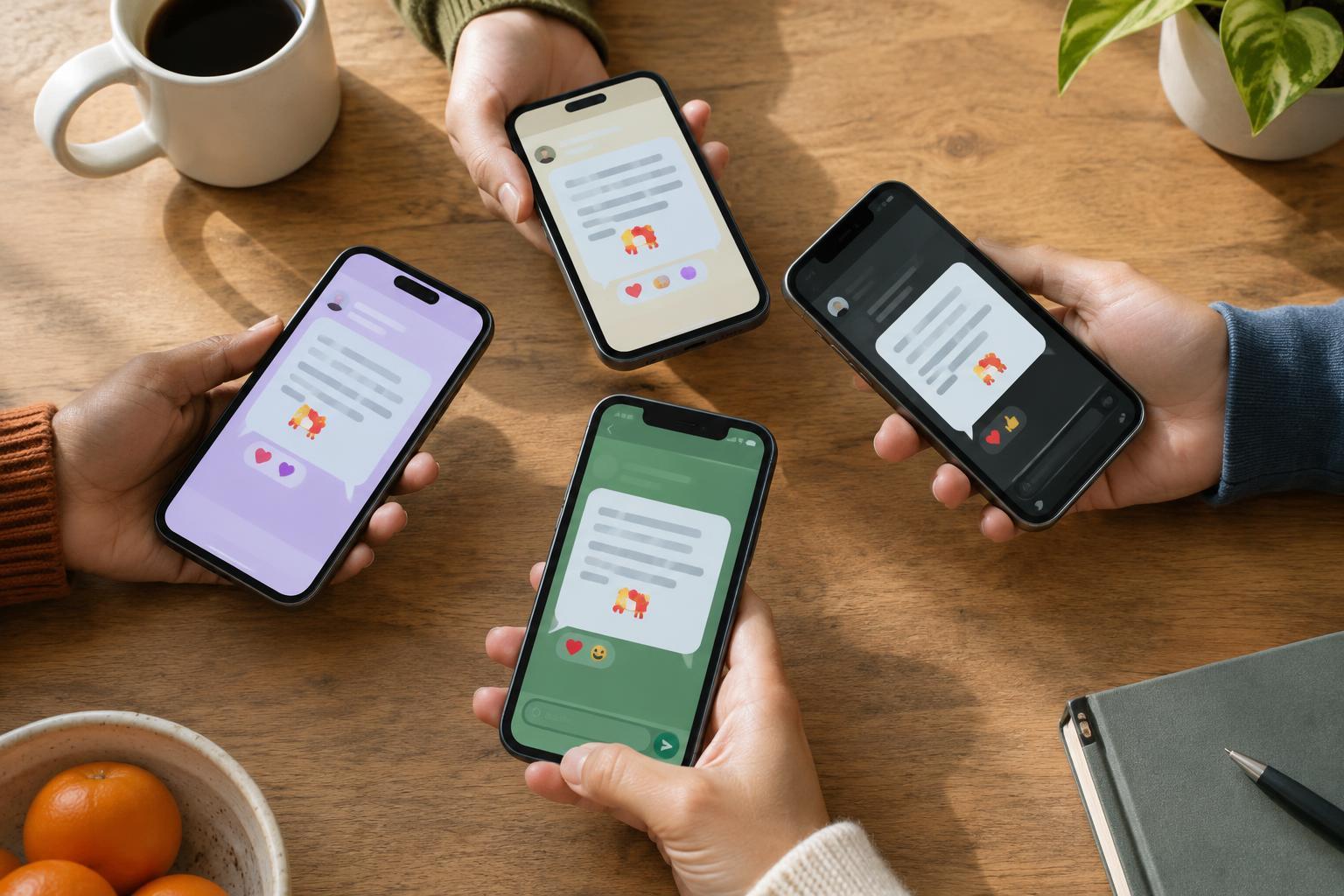
A phrase that begins as an in-group joke may reach people through a screenshot, a short video or a caption detached from its original conversation. New audiences can repeat the phrase without knowing its earlier tone. They may use it more literally, soften it, turn it into praise or lean harder into its sarcasm. As people adapt the expression for their own conversations, those uses can become recognizable in their own right.
Platform formats also shape what survives. A short caption rewards a phrase that communicates a mood at a glance. A long comment thread gives people room to complicate it or argue about what it means. When a term moves between those settings, its most portable version may be the simplest one. That does not make every newer use wrong, but it can explain why longtime users and newcomers sometimes hear different things in the same word.
Familiarity is not the same as shared context
When slang spreads widely, people may assume everyone understands its tone. That is when confusion becomes especially likely. One person may use a phrase as warm teasing; another may hear an insult. A community may use a term to describe its own experience, while an outsider repeats it without realizing that the speaker’s relationship to the group matters. Meaning is social as well as verbal.
It helps to be curious rather than to treat every unfamiliar use as an error. Notice whether people are speaking about themselves or someone else, whether the exchange is playful or tense, and whether others respond as expected. If you want to use a term but are uncertain about its tone, asking a trusted person or choosing plainer language is often easier than guessing.
How to read a moving language
There is no need to memorize a master list of slang definitions. Instead, look for patterns across a few uses in the community you are trying to understand. What situation prompts the phrase? Who tends to say it? Does it appear as praise, complaint or self-mockery? The answers may be more useful than a definition copied out of context.
Internet slang changes because people keep making it useful to one another. Some meanings coexist; others fade as a joke becomes familiar or finds a new audience. Paying attention to those shifts is a form of media literacy: it reminds us that online language carries relationships and assumptions, not just information. Before deciding what a phrase means, ask what it is doing in this particular conversation.