A meme is something people can use
An internet meme is a recognizable piece of culture that people copy, adapt, and share online. It might be an image with changing captions, a phrase applied to new situations, a familiar video structure, or a way of arranging a post. The important feature is not its file type. It is that people recognize a pattern and can use it to say something of their own.
Consider a hypothetical post showing an overflowing desk with the caption “I have everything under control.” On its own, it is a joke. If other people begin pairing that line with their own scenes of minor chaos, the joke becomes a reusable format. Each version draws on the earlier ones while adding a new example. That movement from a single post to a shared pattern is a useful way to identify a meme.
Repetition makes the pattern recognizable
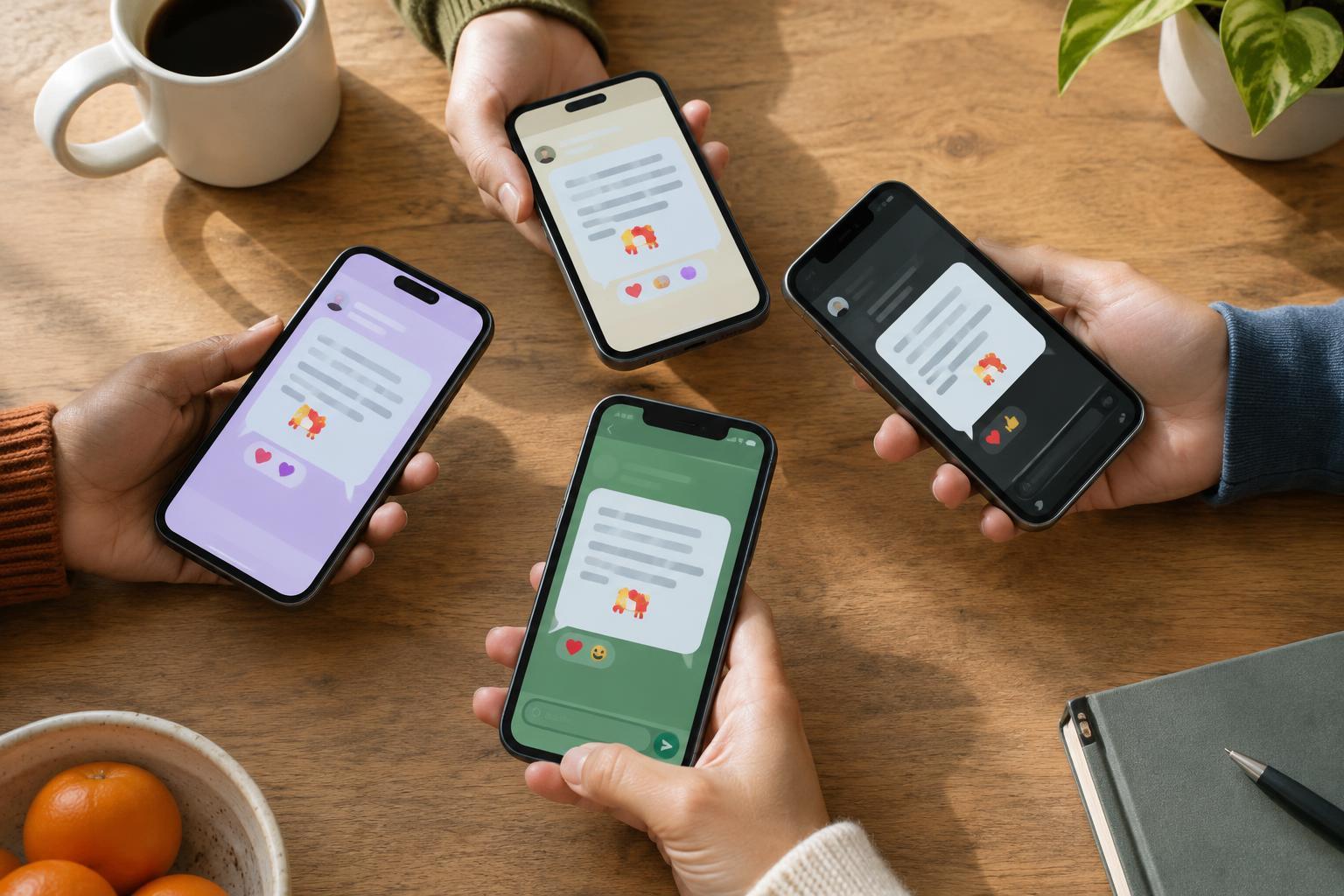
For a meme to work, some part of it needs to stay familiar. A caption opening, a visual layout, a particular reaction, or a sequence of beats can act as its anchor. When someone encounters a new version, that anchor signals how to read it: this is another take on a joke or idea they may already know.
Repetition does not mean that every copy is identical. A post reposted unchanged can help an image travel, but repeated use of a format gives other people a role in its life. They can supply a new setting, subject, or punch line. Nor does a pattern need to be known across the whole internet to count. A phrase reused in a small group chat can function as a meme for the people who share its history, even if it means little outside that group.
Variation gives people a reason to join in
Memes invite change within limits. If every element stays fixed, there is little room to make a new version. If everything changes, the connection to the original pattern may disappear. Many formats sit between those extremes: they offer a recognizable structure with a space to fill in.
That space might be a blank label on an image, the final line of a repeated sentence, or a familiar contrast between expectation and reality. People adapt it to describe school, work, hobbies, or everyday annoyances. A successful variation often does two things at once: it lets viewers recognize the format quickly and rewards them with a specific new observation. Someone does not have to know who made the first version to participate, though crediting a known creator is still a considerate practice when possible.
Shared context carries the meaning
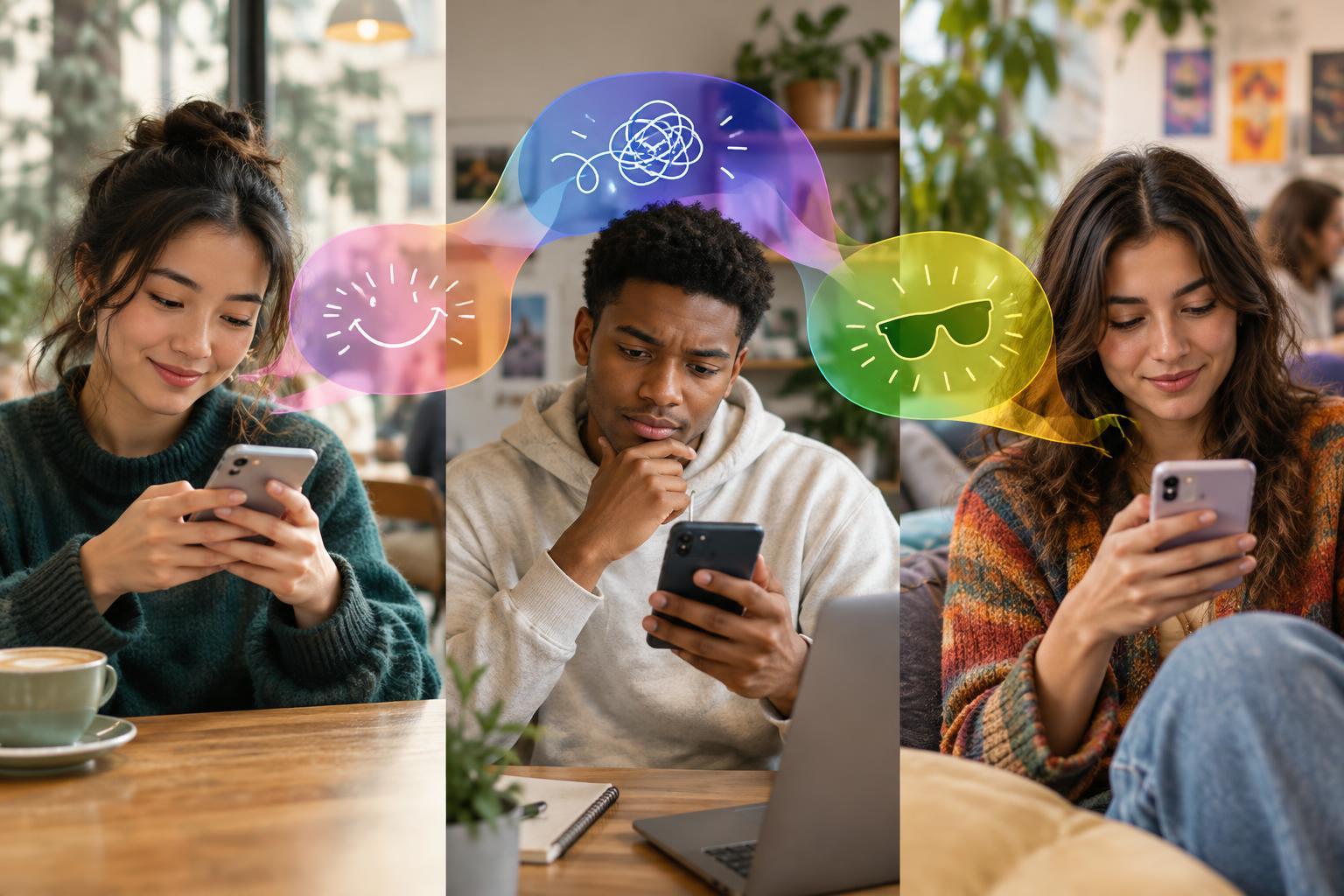
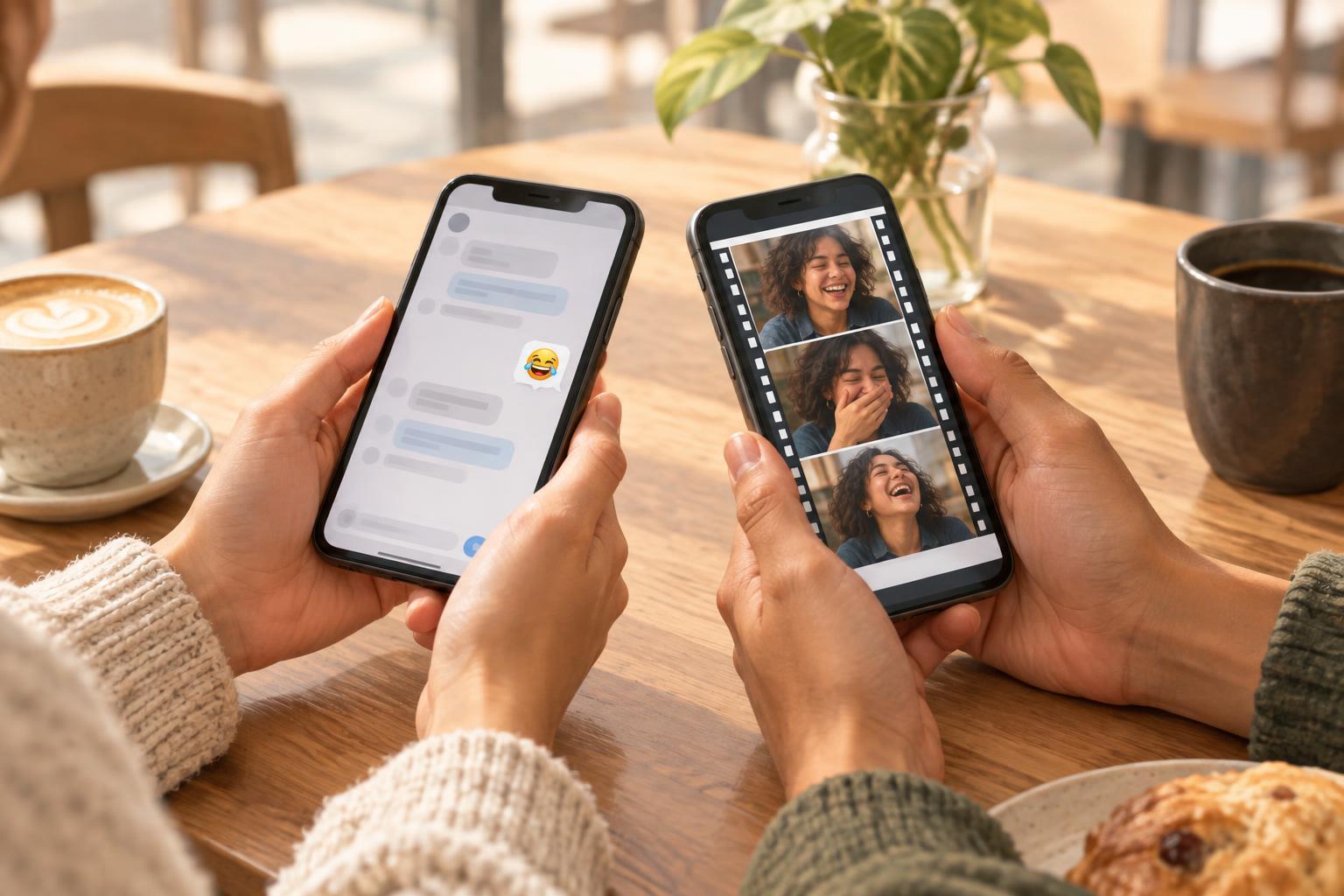
A meme is rarely just the visible words or picture. It also depends on what a group understands about the format. A plain sentence may sound sincere to someone seeing it for the first time and sarcastic to someone who has seen it used repeatedly as a punch line. The same image can express delight, frustration, or disbelief depending on the caption and the community sharing it.
This is why memes can feel like an efficient language among people with common reference points. They compress a longer thought into a familiar cue. It is also why they can be confusing or misleading when removed from their setting. Before interpreting an unfamiliar meme, look at how people are using the pattern, not just at one isolated example. Ask what stays the same, what changes, and what a viewer is expected to recognize.
The edges are flexible
There is no single test that settles every borderline case. A widely shared image might be popular without becoming a format for new expression. An inside joke might look insignificant from the outside while serving as a durable meme within a community. Some memes fade when the original context is forgotten; others remain useful because people can keep adapting them to fresh situations.
A practical test is to look for three ingredients together. Is there a recognizable element that recurs? Do people make versions rather than only pass along one copy? Does understanding the post depend on a shared reference, even a small one? When the answer is yes, “meme” is usually a helpful description. It points less to a particular kind of content than to a social activity: people repeating an idea, changing it, and recognizing one another through the result.