The past as an online design language
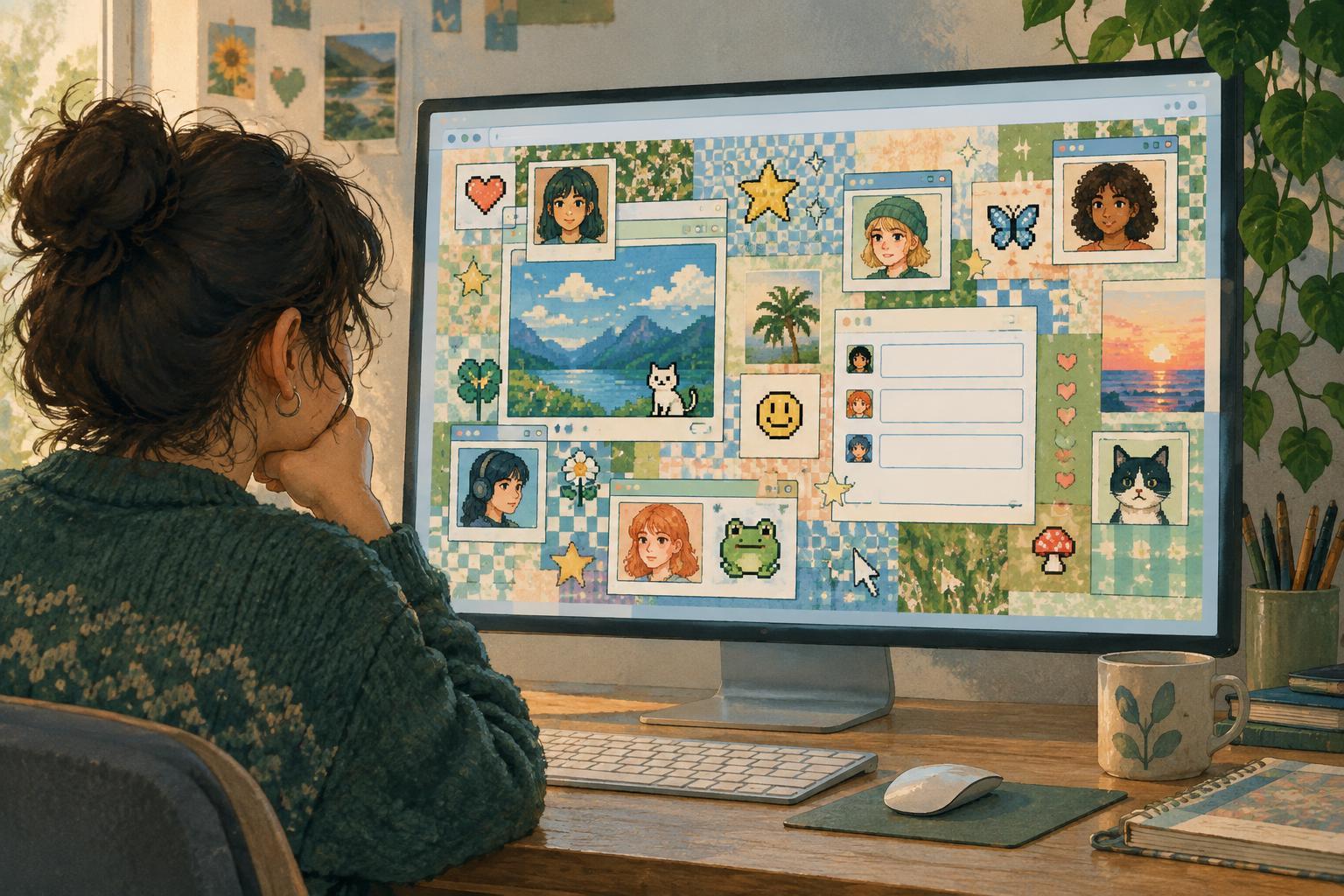
A page covered in tiny icons, a deliberately low-resolution image or a profile arranged like a bedroom wall can signal “old internet” at a glance. These details turn up in places far removed from the sites they evoke: social profiles, creator newsletters, online shops and community spaces. Their appeal does not require a precise recreation of any one era. Often, the point is to create a mood that feels handmade, playful or less polished than a standard platform template.
Internet nostalgia works partly because styles are easy to carry into new formats. A designer can borrow a pixelated button without bringing back the slow connections or awkward navigation that once accompanied it. The result is a selective memory of the web: recognizable enough to stir curiosity, but adapted for how people browse now.
Why imperfect can feel personal
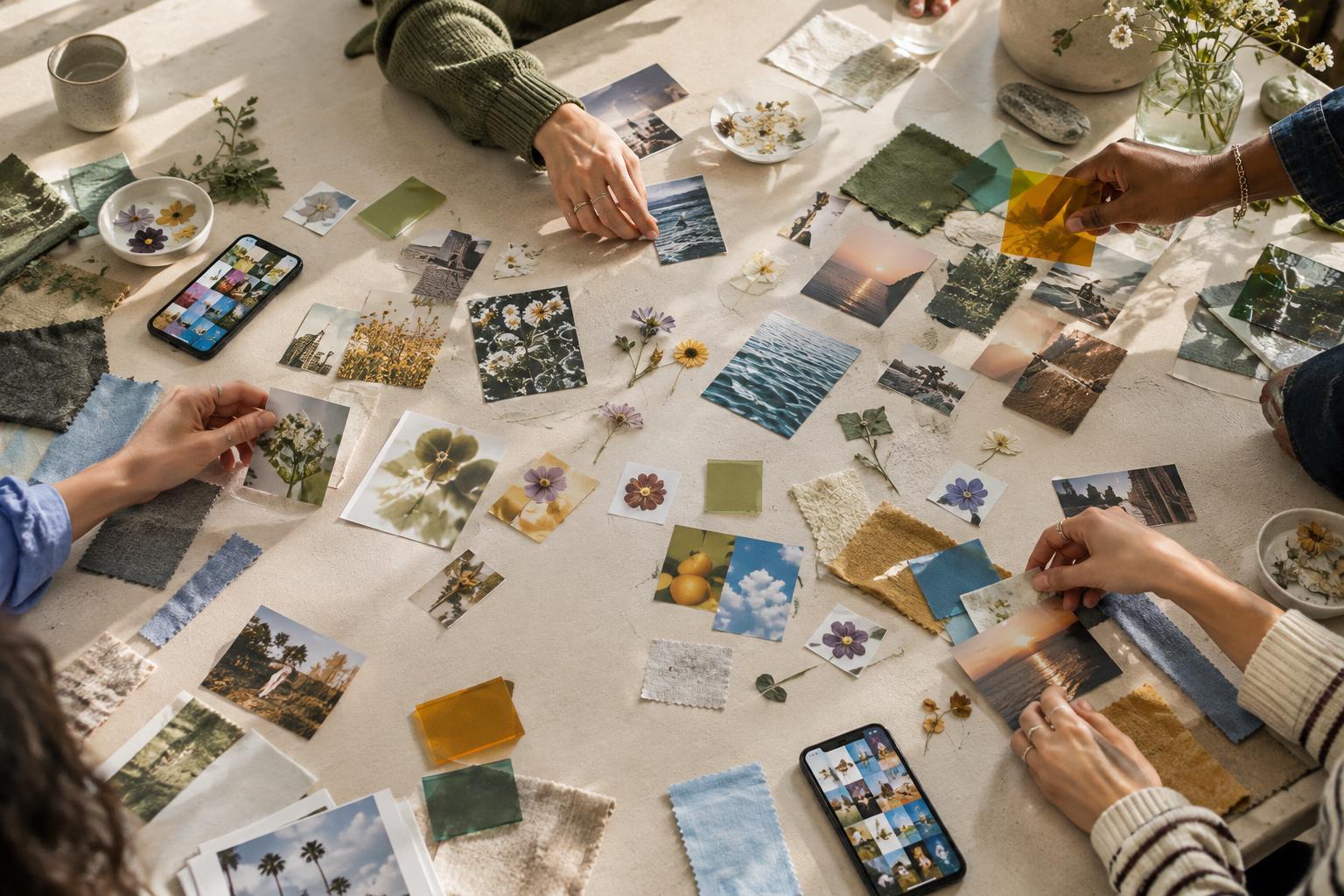
Many online spaces offer convenient tools for publishing, but they also give people similar-looking layouts. Against that backdrop, an odd color combination or a cluster of mismatched stickers can feel like evidence of a person making choices. The rough edges are part of the message. They suggest that someone arranged the space to suit a particular taste rather than to fit a universal template.
That does not mean older web design was always more personal or welcoming. It could be hard to read, difficult to navigate and inaccessible to some visitors. What people may miss is the sense of permission to experiment. A creator who adds a quirky loading image or a tiny illustrated mascot is not necessarily asking to return to old technology. They may be asking for room to make a corner of the internet feel like their own.
A shared reference, even without a shared memory
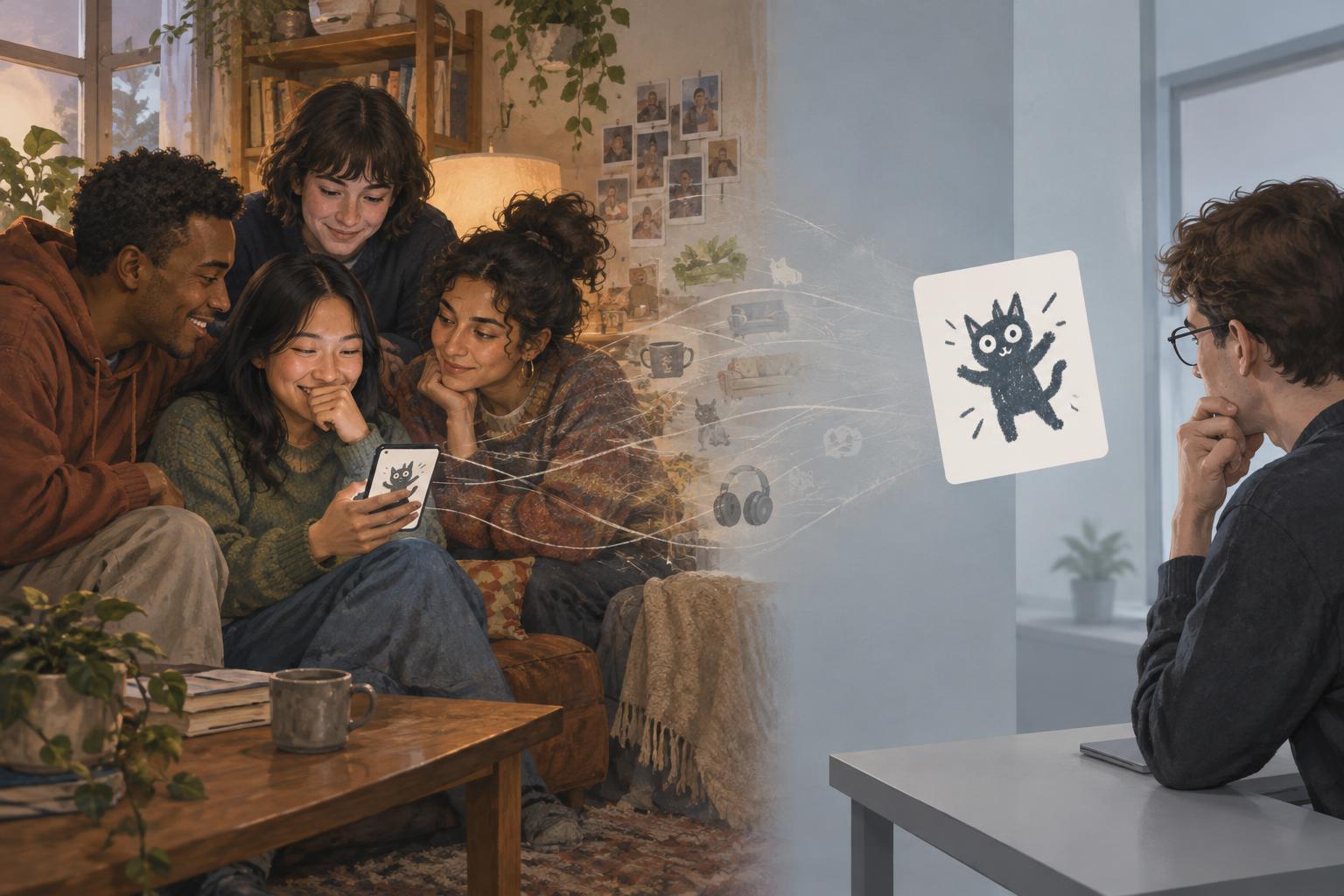
Nostalgia online is not limited to firsthand experience. Someone can enjoy a guestbook-inspired comment area without ever having signed an actual guestbook. Visual styles circulate through screenshots, games, music artwork and other creators’ pages. Over time, they become a vocabulary people can use to suggest intimacy, mischief or a particular kind of digital imagination.
This is why a returning style can mean different things to different audiences. For one person, animated stars recall a site they visited years ago. For another, they are simply a fresh alternative to flat icons. Neither reading is wrong. The style succeeds when it helps people understand the space they have entered and invites them to participate, rather than assuming everyone shares the same memories.
Old forms can suggest new kinds of community
Some nostalgic choices are about behavior, not appearance. A public message board, a collection of links to neighboring creators or a page that changes as a project grows can make a site feel like a place to revisit. These features emphasize discovery and conversation instead of presenting every visit as a quick scroll through finished posts.
There is a difference between borrowing that spirit and copying a feature wholesale. A guestbook might work well for a small creative project, but it also needs moderation if visitors can leave messages. A dense link page might reward exploration, but it needs clear labels so people can find their way. The useful question is not “How do we make this look old?” but “What kind of interaction did this older form make possible, and does that interaction serve people here?”
Keeping the charm without the friction
For creators, the strongest approach is to treat nostalgia as a set of tools rather than a complete design brief. A textured background can establish a mood while readable text carries the story. A playful cursor or animation can be optional rather than essential to using the page. On a small screen, the same personality might come through in illustrations and language instead of a crowded layout.
Older web styles keep returning because they offer more than a familiar look. They give people a way to make digital spaces feel distinctive, inhabited and open to exploration. The challenge is to preserve that sense of possibility while making the experience comfortable for the people arriving today.