Start with the claim, not just the picture
Imagine seeing a dramatic photograph shared as proof that something happened in a particular place. Before searching, write down the claim you want to check: Where was it taken? When? Does it show the event described? Separating those questions matters because finding the same picture elsewhere may answer one without answering the others. An older appearance can challenge a caption that presents the image as new, but it may not tell you exactly what the image depicts.
Save the image if you can do so without sharing private material, or take a clear screenshot that includes the picture. Keep a separate note of the post’s caption and where you encountered it. If a screenshot includes comments, account names or unrelated images, crop to the picture for the search while retaining the original view for context. Treat the post as a lead to investigate, not as a source that has already established the facts.
Search the image in more than one way
A reverse image search tool lets you upload a file, paste an image address or search from an image displayed in a browser. Its results may include exact matches, visually similar pictures and pages that contain the image. Scan each type separately. A visually similar result may show the same building or person without being the same photograph, while an exact match may be a repost with no useful context.
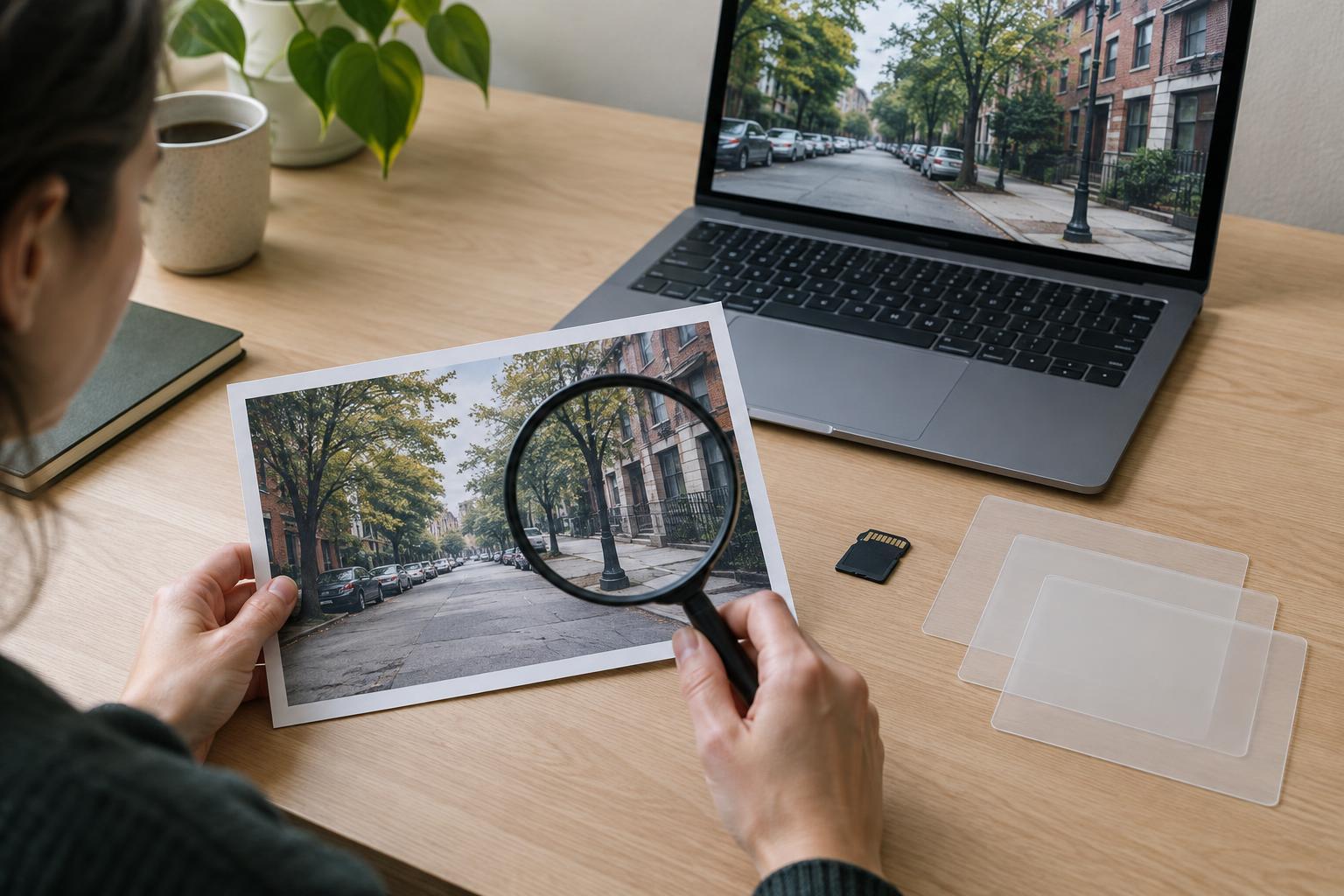
If the first search is unhelpful, try a different image search tool or change the part of the picture you submit. Search a crop that shows a distinctive sign, object or background rather than a large block of text added by a reposting account. Then try the full image again. Cropping can reveal matches hidden by a border or meme caption, but it can also remove details needed to identify the scene. Multiple searches give you more clues, not an automatic verdict.
Compare appearances, not just result dates
Open promising results and look at the page itself. Is the picture part of an article, a product listing, an archive or another social post? What does the surrounding text say, and is that text making its own unsupported claim? A search-result snippet can be incomplete or detached from the page, so it should not stand in for what the page actually shows.
Dates require care. A page dated earlier than the post you are checking shows that the picture was online by that point, if the date and image placement are reliable. It does not prove that the page was the first publication or that its caption is accurate. Compare several appearances for consistent details, and inspect the image for changes: a tighter crop, reversed orientation, added labels or a background edited out. These differences can explain why two posts use the same picture to tell different stories.
Use clues in the frame to search beyond the image
When image matches are sparse, turn visible details into text searches. A storefront name, jersey design, landmark or distinctive phrase on a sign may provide a better lead. Search combinations of those clues with the event or location mentioned in the caption. Be cautious with generic details: a red bus or crowded street could fit many places, and your expectations can make a vague match seem convincing.
The highest-resolution version you can find may help you read small text or notice that a supposed single scene is a composite. It may also be a later upload rather than the original. If a page attributes the image to a photographer or organization, follow that attribution where possible and see whether the surrounding description supports the claim you are testing. Attribution is a useful trail, not proof merely because it appears in a caption.
Know when the search cannot settle it
Reverse image search looks for material a tool can recognize and access. It may miss private posts, images that were never indexed, heavily altered pictures or frames taken from video. A failure to find an earlier match does not establish that an image is new or authentic. Likewise, finding an older copy may establish that a new-event caption is wrong without revealing the picture’s true origin.
State your conclusion as narrowly as the evidence allows. You might say, “This image appeared on another page before the claimed event,” rather than naming a place you cannot verify. If the picture shows a private person or a sensitive situation, avoid reposting it simply to ask others for help. The goal is to recover context, not to give a questionable image a wider audience.