Choose a question, not a promise to cover everything
An event can produce more material than one creator can use: performances, conversations, signs, queues, quiet pauses, and unexpected changes. Trying to document it all often leaves you with a crowded camera roll and no clear story. Before you go, write one question your recap might answer. What did it feel like to attend for the first time? How did the space change over the day? What helped people find their way around?
Treat that question as a guide, not a script. You may discover a more useful angle once you arrive. If you are covering a festival, browsing Festival Planning · Bridge City Music Journal may help you think of planning-related details an attendee would notice, such as routes, meeting points, and places to rest. Your job is still to observe the event in front of you rather than assume another event works the same way.
Make a small capture list
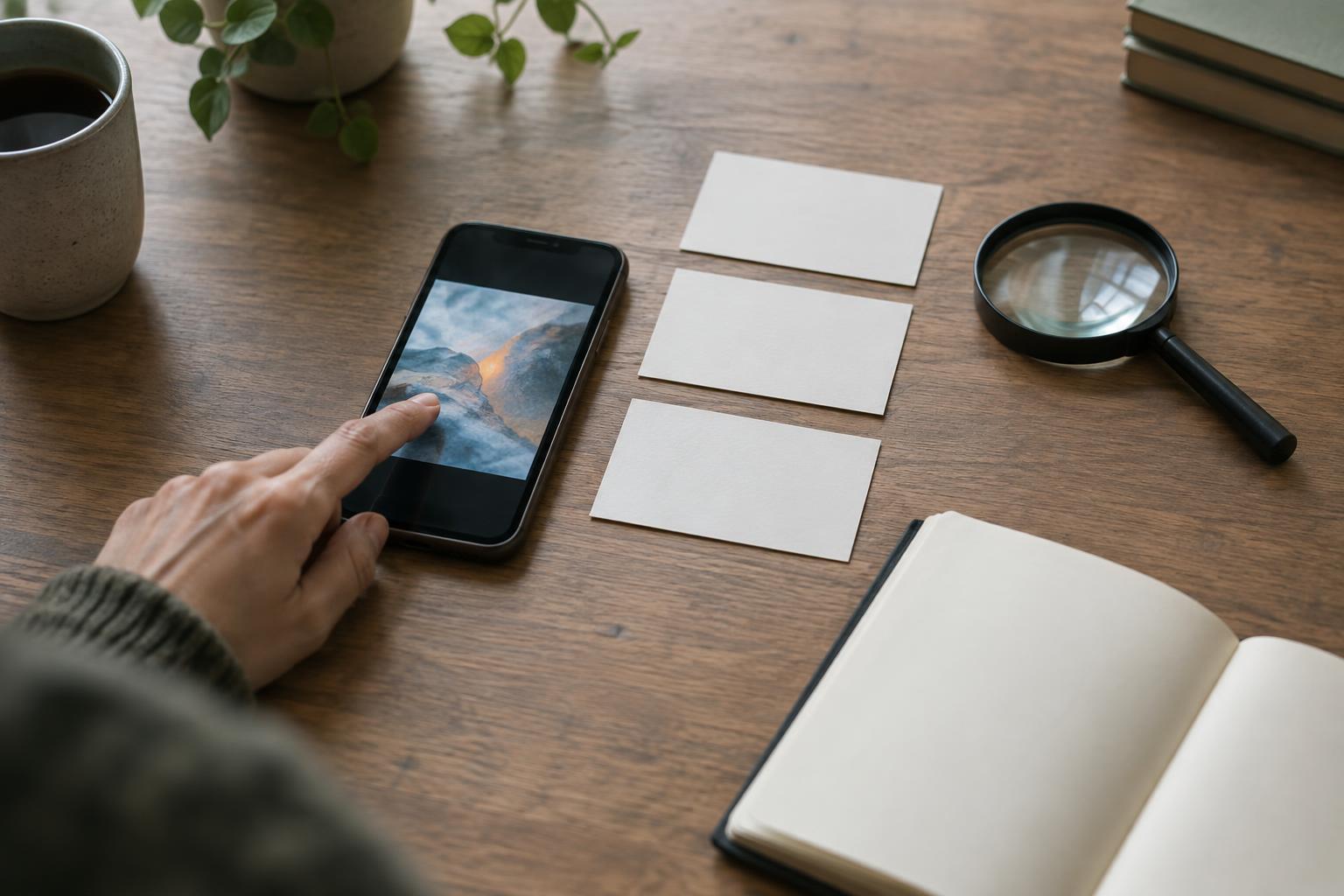
Write a short list of material that could support your angle: an establishing view, a few specific details, transitions between activities, and a closing moment. If you plan to make a video, consider what you need to explain visually and what could be said in a voiceover later. If you plan to write, prioritize descriptions and exact names over collecting dozens of similar photos.
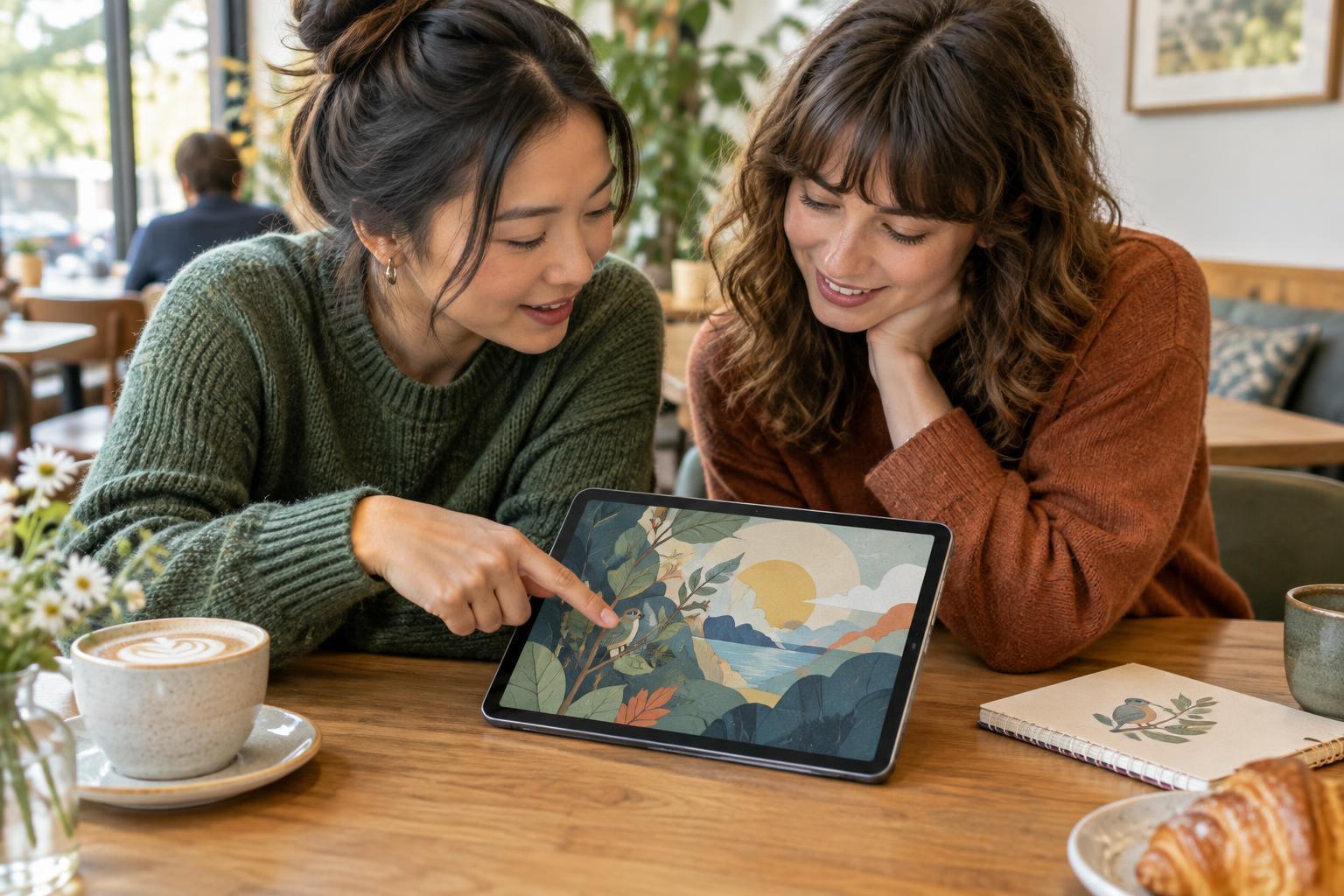
Leave room for surprises. A capture list should prevent omissions, not turn the day into a checklist. Pause occasionally and ask what you have learned that you did not expect. If music is part of the event, browsing Music Discovery · Bridge City Music Journal can prompt ideas for how to describe discovery from an attendee’s perspective. Record names carefully, and do not assume that being allowed to film at a venue also gives you permission to reuse a performance recording in a published piece.
Record details your memory will lose
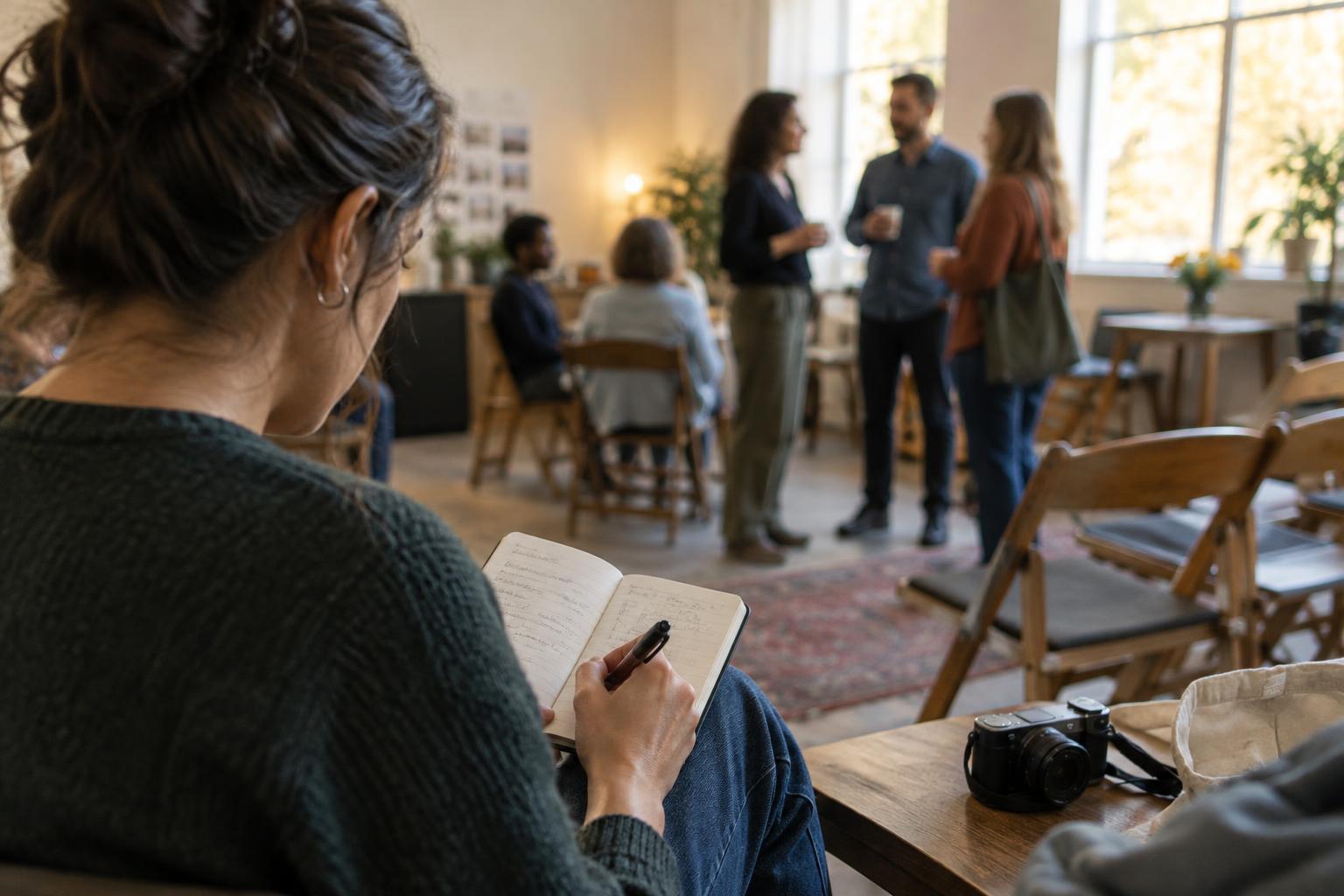
Field notes do not need to be elegant. Use a notes app or small notebook to jot down times, locations, names, sensory details, and questions to check later. Separate what you observed from what you inferred. “The line reached the entrance at 2 p.m.” is a different kind of note from “People seemed frustrated.” That distinction makes it easier to write accurately when the atmosphere of the day is no longer fresh.
Capture context alongside images. A photo of a hand-painted sign may be useful, but a note about where it stood and what it helped people do gives it a purpose. If you speak with someone, ask whether they are comfortable being identified and quoted before building your story around their words. When consent or wording is unclear, leave the quote out or describe only what you can confidently verify from your own experience.
Find the story after you get home
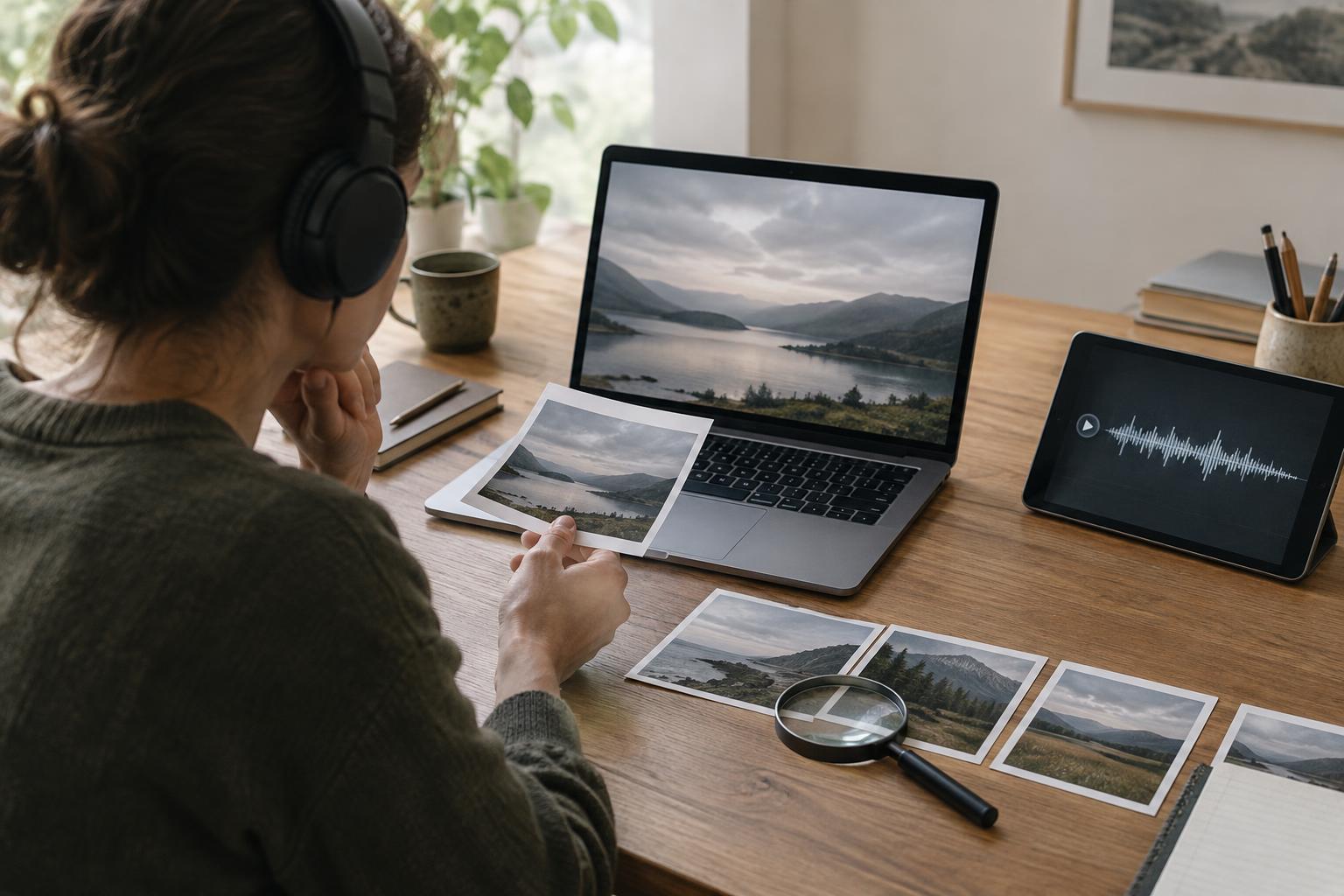
Do not start by editing every clip or polishing every sentence. First, review your material and group it by what each item contributes: orientation, action, explanation, or reflection. Then write a one-sentence answer to your original question. If the evidence you gathered points somewhere else, change the question. A focused recap can acknowledge that it reflects one route through an event, not every attendee’s experience.
Look for a beginning that places the audience, a middle that shows a change or discovery, and an ending that leaves them with a useful observation. Behind-the-scenes details can be compelling when you actually witnessed them and have permission to share them. For other ways to think about process-focused stories, browse Behind the Stage · Bridge City Music Journal; use it as inspiration for angles, not as a substitute for your own notes.
Check the piece before publishing
Review names, captions, locations, and the order of events. Remove claims that go beyond what your material shows. Check whether a close-up reveals someone’s private information, whether a bystander is unnecessarily identifiable, and whether your audio or images include material you are not permitted to reuse. If you cannot resolve an issue, choose another shot or rewrite the passage.
Finally, ask whether someone who was not there can follow the piece without already knowing the venue or community. Add a little context where needed, then cut details that do not serve the central question. Save your unused notes with clear labels: they may help with a later piece, but they do not all need to fit into this one. A good recap is a considered account, not proof that you captured everything.