Mistake 1: Treating a visible flaw as a verdict
Extra fingers, odd lettering and mismatched shadows can be useful reasons to pause. They are not a reliable test for whether an image was generated by AI. Ordinary photos can look strange because of motion, compression, reflections, editing or an unfamiliar camera angle. Generated images can also appear visually consistent, especially when a flaw has been cropped out or corrected.
Ask what the image is being used to claim. A warped sign in the background may tell you little about whether the pictured event happened. Look for an original upload, a fuller frame or other accounts of the same scene. If none are available, describe the image as unverified rather than turning one odd detail into a confident diagnosis.
Mistake 2: Letting a detector make the decision
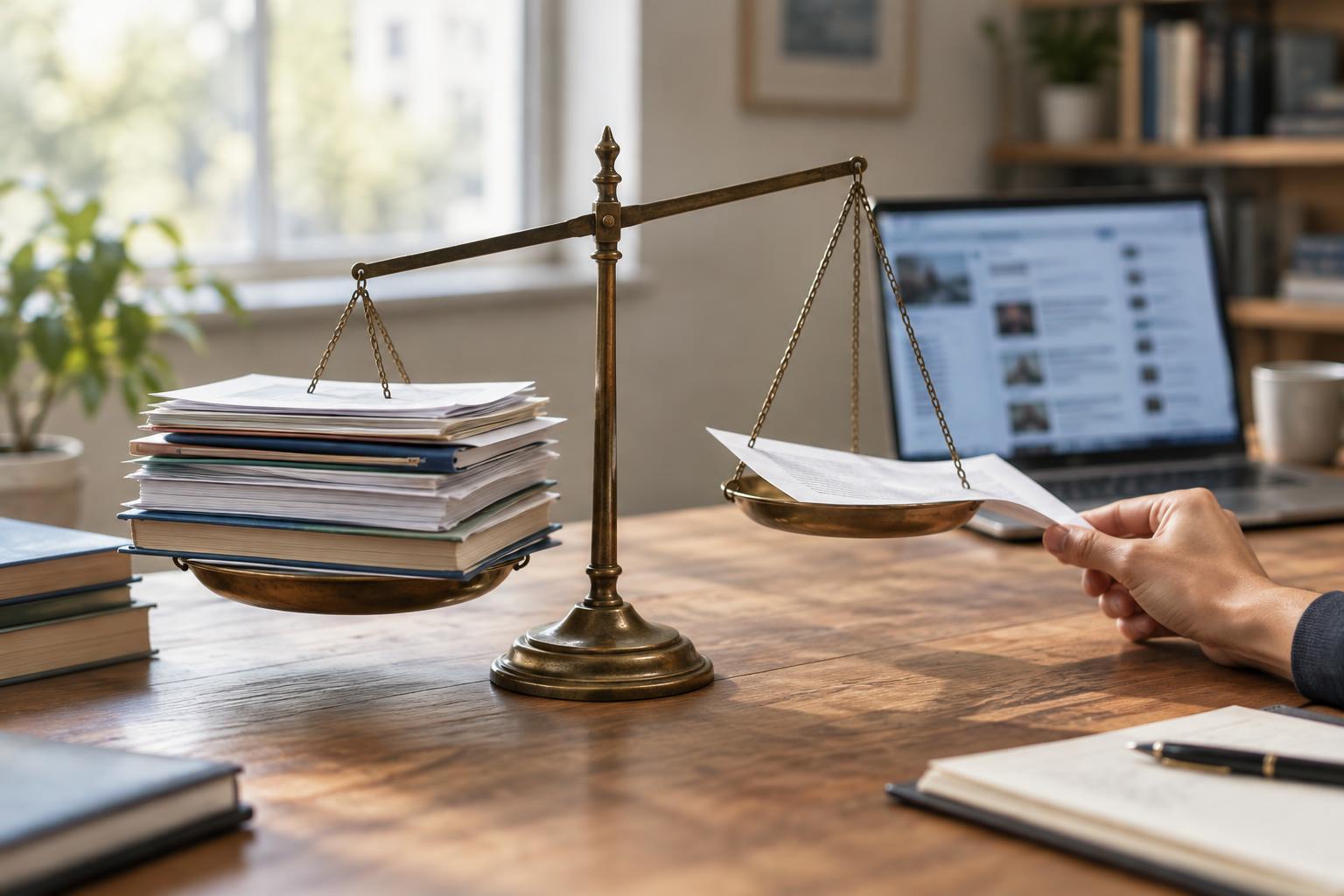
An AI-detection tool can provide a lead, but its score is not a certificate of origin. Results can vary with the file, the tool and changes made during posting. A screenshot, compressed image or edited recording may give a tool less useful material to inspect. A confident-looking percentage should not replace a clear account of what was tested and what the result can actually establish.
Metadata and content labels deserve similar care. They may offer clues about how a file was made or handled, but missing metadata is not proof of manipulation: platforms and editing steps can remove it. A label may apply to an entire post without explaining every element in it. Use these signals alongside source and context checks, not as a substitute for them.
Mistake 3: Confusing a familiar voice with an authenticated speaker
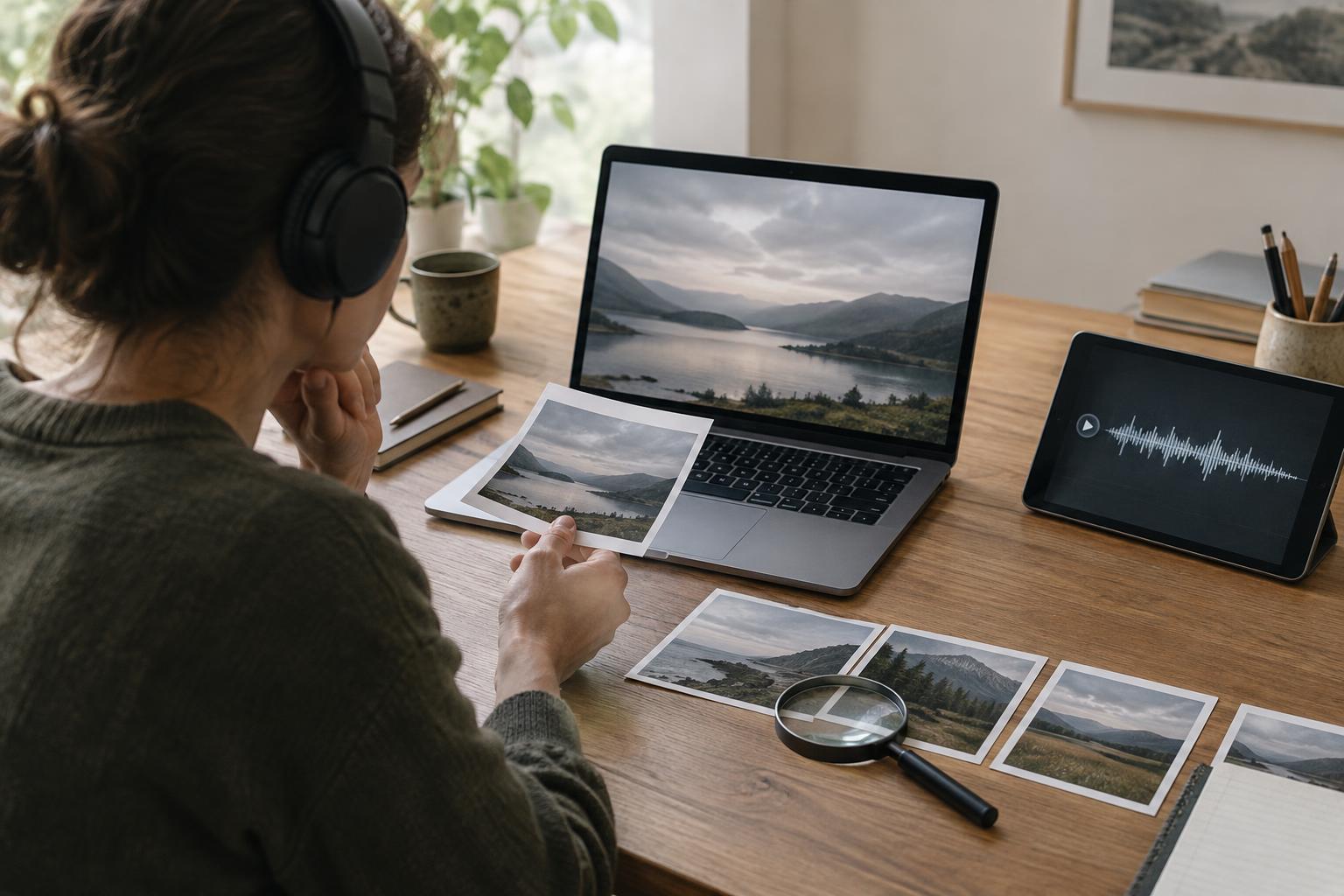
A voice that resembles a public figure or someone you know does not establish who spoke or what they meant. Impersonation is one possibility, but a genuine recording can also be edited, taken from another setting or presented with a misleading caption. Listen for abrupt transitions or inconsistent background sound if you like, while remembering that the absence of such clues proves little.
For a consequential claim, look for the full recording and a clear account of where it came from. Check whether the speaker or an appropriate official channel has shared the same message in context. If a clip arrives through a private message and asks you to act urgently, verify the request through a separate, familiar channel. Avoid circulating a person’s private audio merely to crowdsource a verdict.
Mistake 4: Assuming a search match settles the story
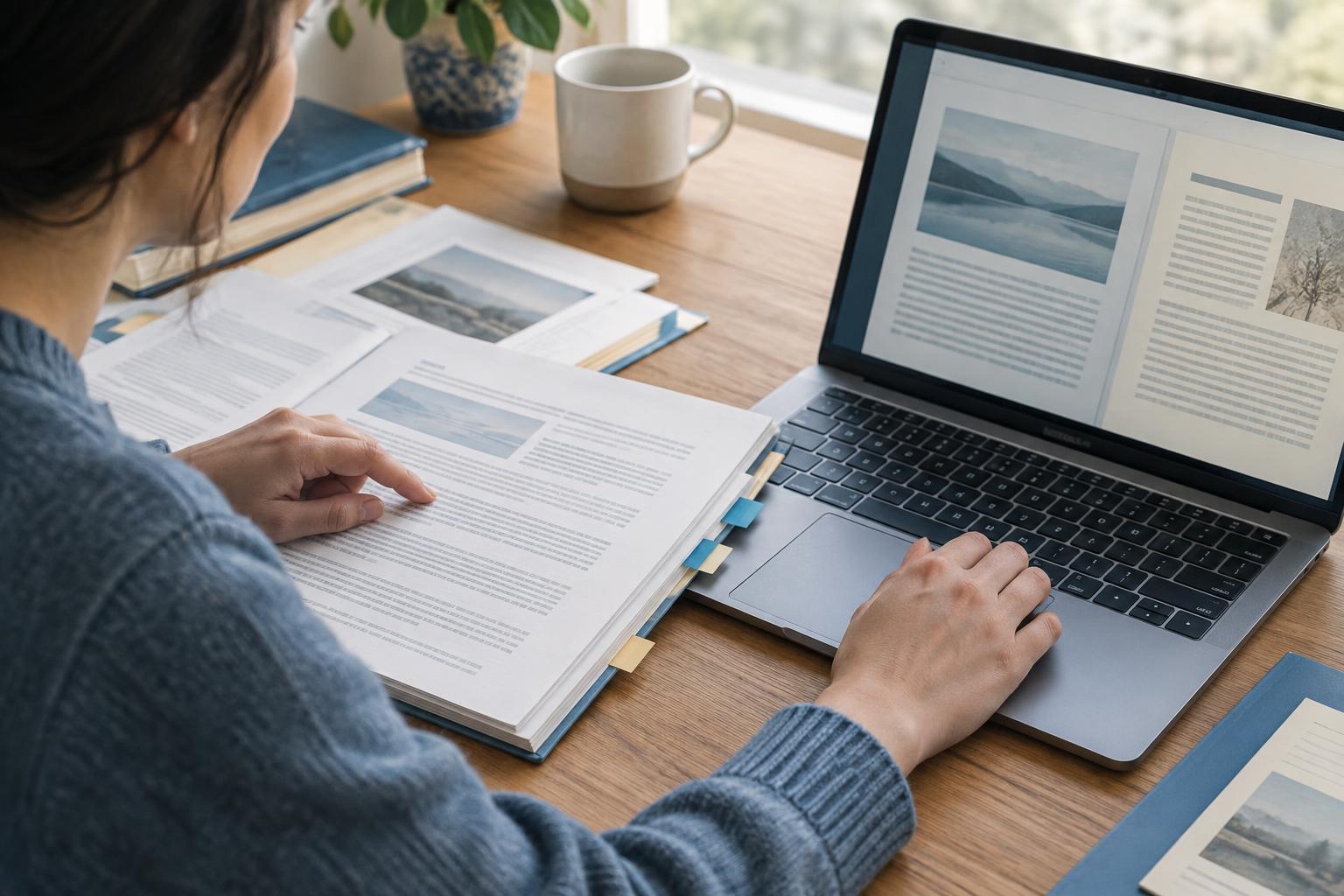
Searching an image or a distinctive phrase from a clip can reveal earlier uses, but a match needs interpretation. An older upload may show that a post’s caption is wrong about when the material appeared. It does not automatically prove the image is AI-generated or explain every later edit. No match is equally inconclusive: the original may not be indexed, or the material may have been cropped or newly posted.
Trace the claim as well as the file. Who first shared the version you saw? Does the caption name a place, person or event that can be checked independently? Are other posts repeating the same account, or simply copying one another? Several copies of a claim are not several independent confirmations.
A better habit: Separate origin, authenticity and meaning
Verification is easier when you break the question apart. First ask about origin: where did this file come from, and can you find a less altered version? Next ask about authenticity: is it a photograph, recording, edit, composite or generated media? Then ask about meaning: even if the file is genuine, does it support the caption attached to it? Each question may need different evidence.
You do not need a perfect technical ruling to make a responsible sharing decision. When the source is unclear and the claim matters, pause, seek context and state what remains unknown. An AI-generated illustration can be clearly labeled and harmless; an authentic clip can still be used to deceive. The goal is not to spot every synthetic pixel or sound. It is to avoid granting a persuasive file more authority than the evidence supports.