A conversation becomes an object
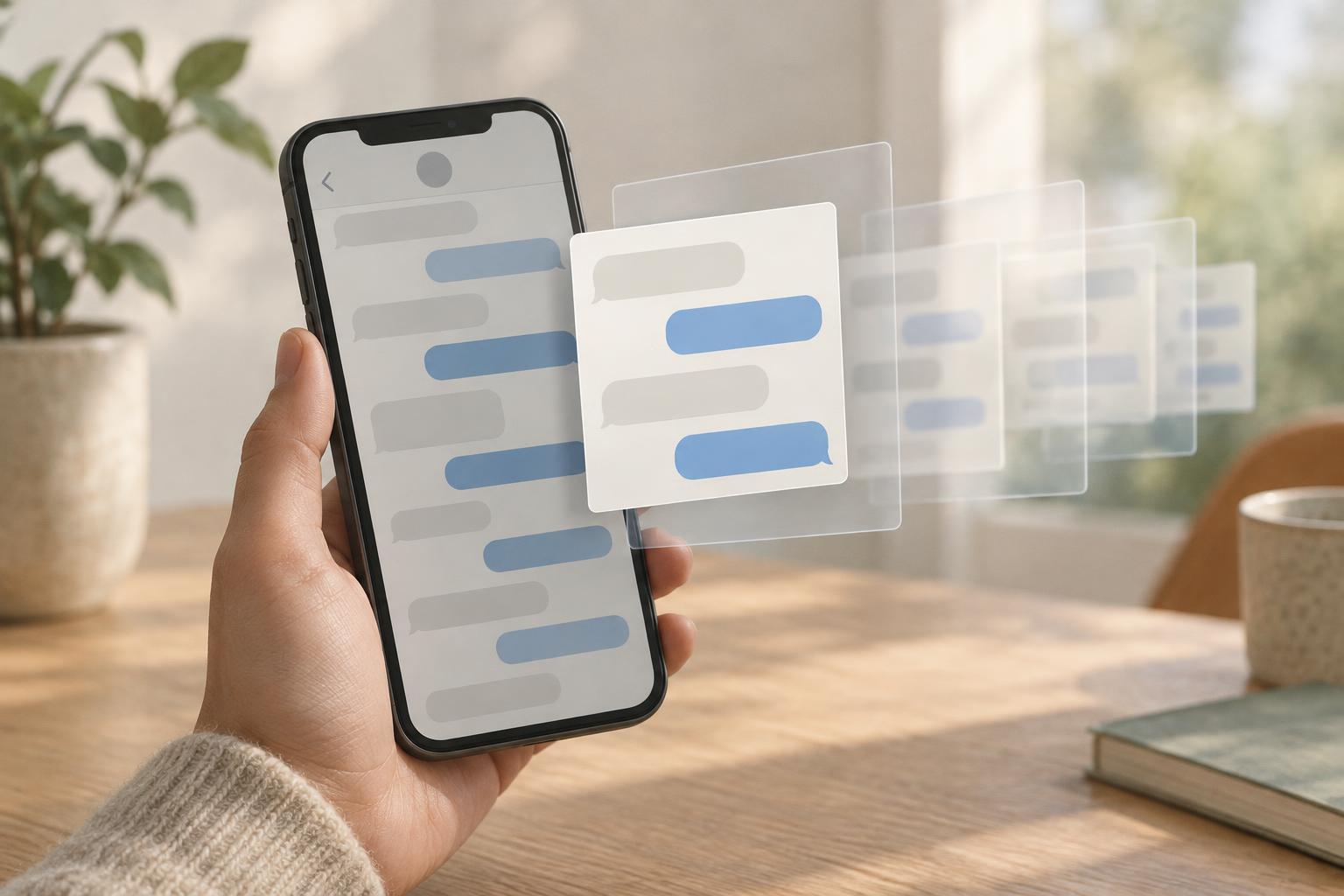
An online conversation unfolds over time. People reply, clarify, change their minds and respond to cues from a particular group. A screenshot freezes one moment of that exchange. It gives viewers something easy to save and pass along, but it also separates the visible words from the setting in which they were written.
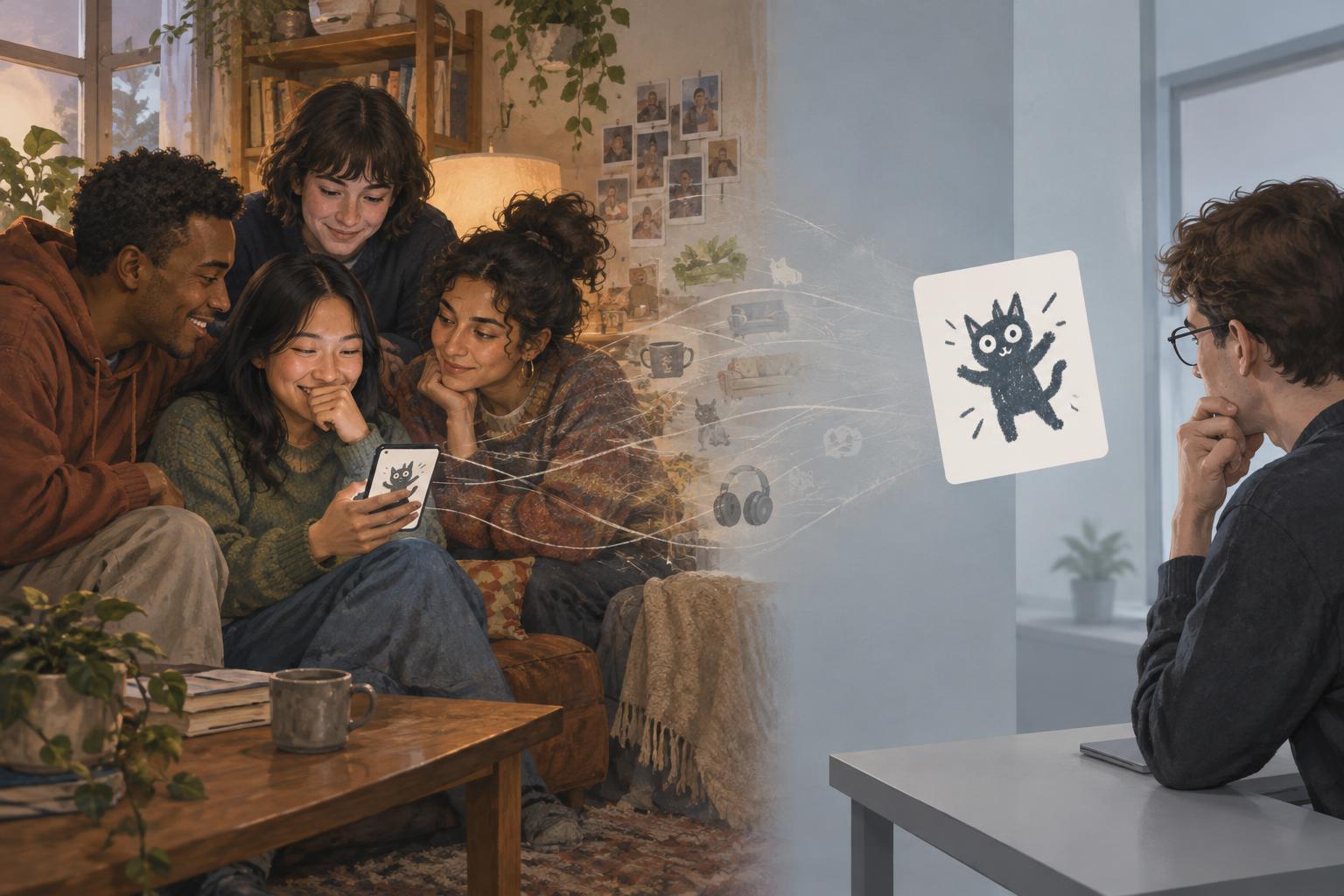
Imagine a playful reply in a small group chat. Among friends who know the running joke, its meaning may be obvious. In a screenshot shown to strangers, the same line might look rude or confusing. The words have not changed; the audience and the information available to it have. That shift is why a screenshot can be accurate as an image yet incomplete as an account of what happened.
The frame tells its own story
Every screenshot has edges. Those edges decide which earlier messages, usernames, timestamps, reactions and replies a viewer can see. Sometimes the crop is simply a matter of fitting a post on a screen. Sometimes it removes information that would complicate the point being made. Either way, what falls outside the frame can matter as much as what stays inside it.
Presentation also guides interpretation. A caption such as “Look at this response” invites a different reading from “Here is the message I was replying to.” An arrow, highlight or side-by-side comparison tells viewers where to look first. None of these choices necessarily makes a screenshot misleading, but they turn a piece of conversation into a composed story with a beginning, emphasis and implied conclusion.
A new audience changes the stakes
A post written for a familiar community may rely on its norms: a shared vocabulary, a recurring bit or an understanding of how members tease one another. When a screenshot travels beyond that community, new viewers may read it using different expectations. A comment intended as a quick response can become something people examine as a standalone statement.
Circulation can also change who is drawn into the exchange. A private message shown publicly may expose someone who never expected a wider audience. Even a public post can take on a different scale when a screenshot is shared in a space where its author is not present to answer questions. The ability to capture a message is not, by itself, a reason to distribute it.
An image is evidence of a view, not the whole exchange
Screenshots can be useful records. They may preserve a message after an edit or help explain why a discussion took a particular turn. But a screenshot usually shows only what one person’s screen displayed at one point. It may omit a thread, a later correction or details about who could see the original. Images can also be altered, so a polished-looking capture should not be treated as automatic proof of every claim attached to it.
When reading a screenshot, separate what is visible from what is being inferred. You might be able to say, “This image shows these words in this order.” It may take more context to say what the writer meant, what prompted the exchange or whether the image represents the whole conversation. That distinction leaves room for uncertainty without requiring you to dismiss what you can see.
Share with the missing context in mind
Before sharing a screenshot, ask what a viewer would need in order to understand it fairly. Would an earlier message change the reading? Is a caption presenting an interpretation as a fact? Are names, profile pictures or unrelated messages visible when they do not need to be? If the point can be made without identifying someone, removing personal details may reduce unnecessary exposure.
The same questions help when you encounter a screenshot from someone else. Read the frame, then consider its edges. Look for the difference between a direct quote and the story told around it. If the context is unavailable, a cautious reading is more useful than filling the gaps with certainty. Screenshots are powerful because they make conversations portable; reading them well means remembering what the image could not carry along.