A format begins with a set of possibilities
Imagine trying to tell the same story through a short video, a photo carousel and a group chat message. The central idea might stay the same, but the telling would change. A video can use timing, facial expression and sound. A carousel can reveal information one frame at a time. A chat message can invite an immediate reply. These differences are not just stylistic choices; they come from the tools each space makes available.
Platform features make some creative moves easy and others awkward. A built-in caption tool encourages text on video. A character limit rewards compression. A reply button makes conversation part of the work itself. Creators still make meaningful choices within those limits, but the interface helps define the range of choices they notice first. That is one reason a familiar idea can take a distinct shape on each platform.
Creation tools become storytelling conventions
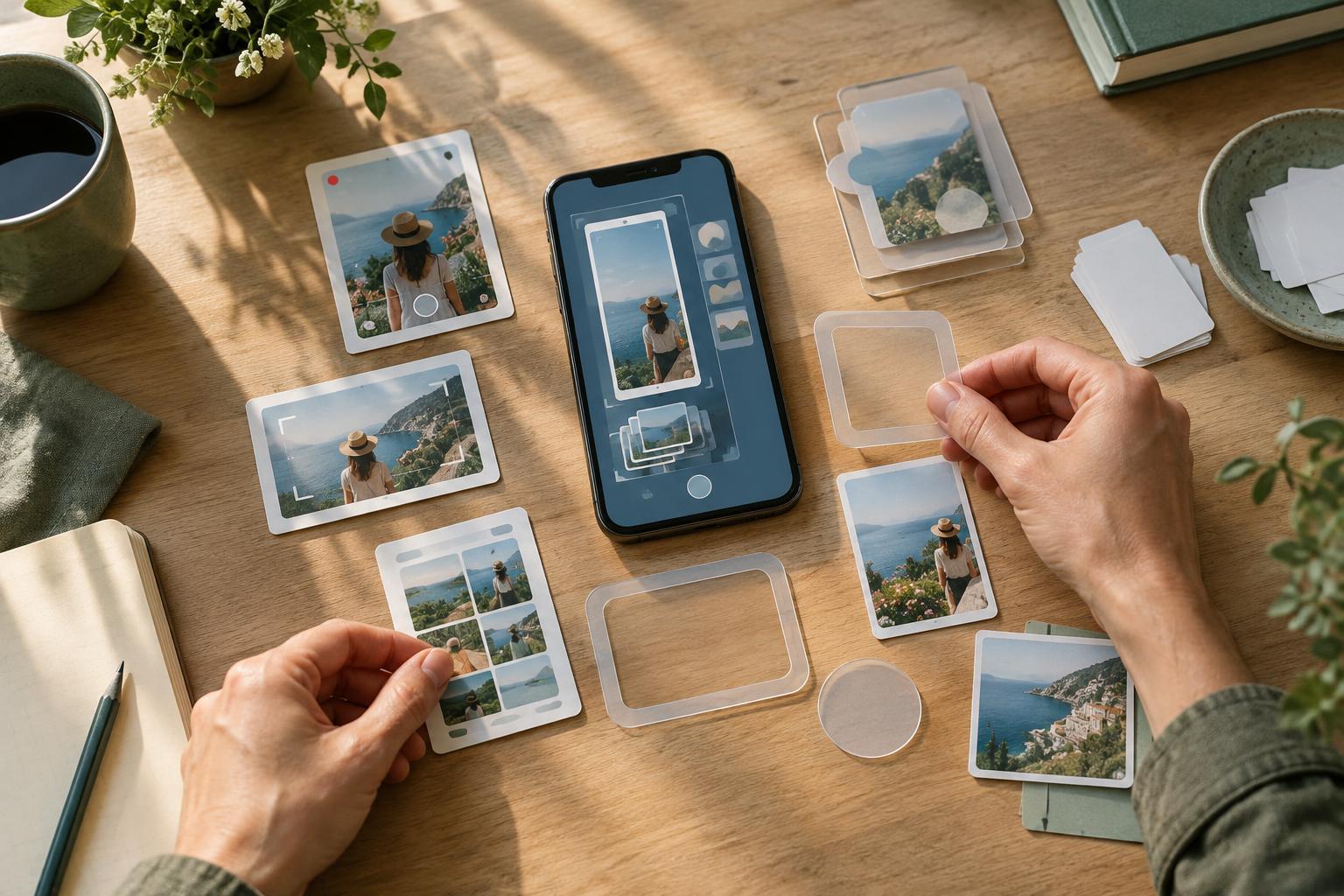
When a tool is simple to use, people can try it without planning an elaborate production. Templates, filters and editing controls can give a post an instant structure: an opening prompt, a transition or a sequence of images. As people see others use that structure, they learn what kind of contribution fits. The feature becomes more than a button; it becomes a recognizable way to tell a story.
Consider a prompt that asks people to show a “before” and an “after.” A tool that makes two clips easy to join supports a quick reveal. A photo-based format may instead invite viewers to compare details at their own pace. Neither version determines what people will say. Someone might use the format for a joke, a craft project or a personal reflection. The shared structure makes the post legible, while individual choices give it meaning.
Feeds influence what a post needs to communicate
Creation is only part of the story. A format also adapts to where people encounter it. In a fast-moving feed, viewers may see a post without knowing its creator or the conversation that came before it. A clear opening, visible context or repeated visual cue can help it make sense on its own. In a smaller community where participants share a history, the same post can rely on shorthand and ongoing jokes.
How a platform presents content also matters. If a video might be watched without sound, on-screen text can carry essential information. If a post appears as a preview before someone opens it, its first image may need to establish the subject. These are useful design considerations, not universal rules. Some creators deliberately ask for patience or use ambiguity to spark curiosity. Features shape the conditions of attention, but they do not eliminate creative alternatives.
Sharing features change how people participate
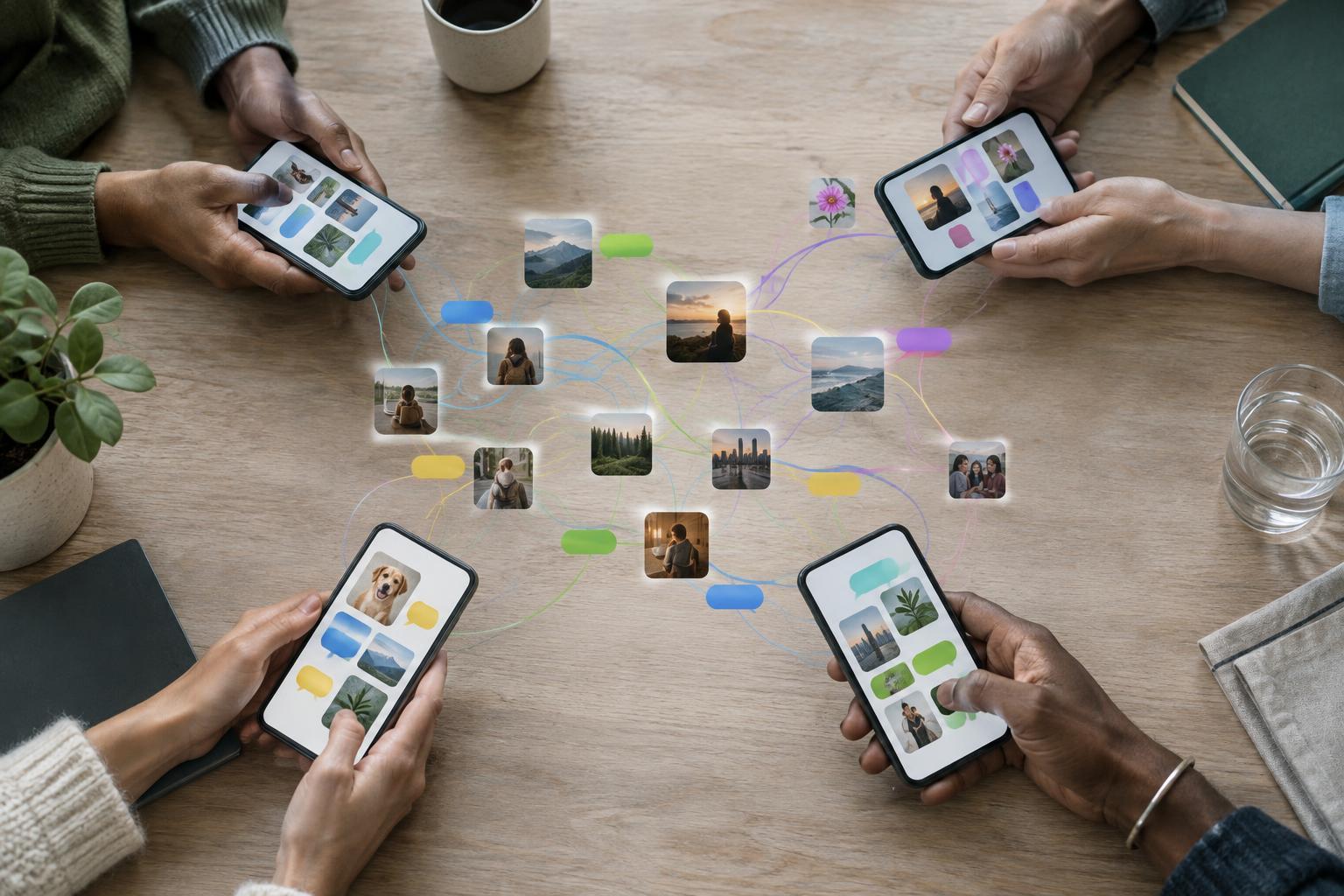
A format often spreads because it gives other people a clear role. Reposting passes along the original work. Quoting adds commentary. Remix tools let someone respond with their own performance or example. Each option creates a different relationship between the first post and what follows. A prompt designed for remixes might leave an obvious gap for others to fill, while a post meant for discussion might end with a question.
Participation can also change a format’s meaning. A playful template may become a way for a community to explain a shared frustration. An earnest prompt may be adapted into a joke. As versions accumulate, people learn the conventions and start bending them. Looking only at the original feature misses this social layer: a platform provides the mechanism, but its users negotiate what counts as a fitting, funny or thoughtful response.
Notice the tool, then look beyond it
To understand an online format, start with a few practical questions. What does the platform make easy to create? What will viewers see first? Can they reply, reuse or change the post? Does the format travel well outside its original setting? These questions reveal why certain structures are convenient and why they might be copied.
Then ask what people are doing with those possibilities. Two communities can use the same feature for very different purposes, and an audience can reject a template as readily as adopt it. Platform design influences culture without fully controlling it. The most useful way to read an online format is to see both sides at once: the tools that give it shape and the people who keep reshaping what it means.