Separate the photo from its caption
An image can be authentic without proving the story attached to it. A photograph of a crowded street may show a real crowd, but it cannot, by itself, establish why people gathered, when they gathered or whether the caption names the right city. The first media-literacy move is to treat the image and the accompanying words as two separate pieces of information.
Before searching, rewrite the post’s claim in a sentence: “This photo shows this event, in this place, at this time.” Then list what you can actually see. You might observe signs, buildings, clothing or weather. You may not be able to identify the event or its purpose from those details alone. This distinction helps you check a specific claim rather than asking the vague question, “Is this photo real?”
Look for earlier appearances
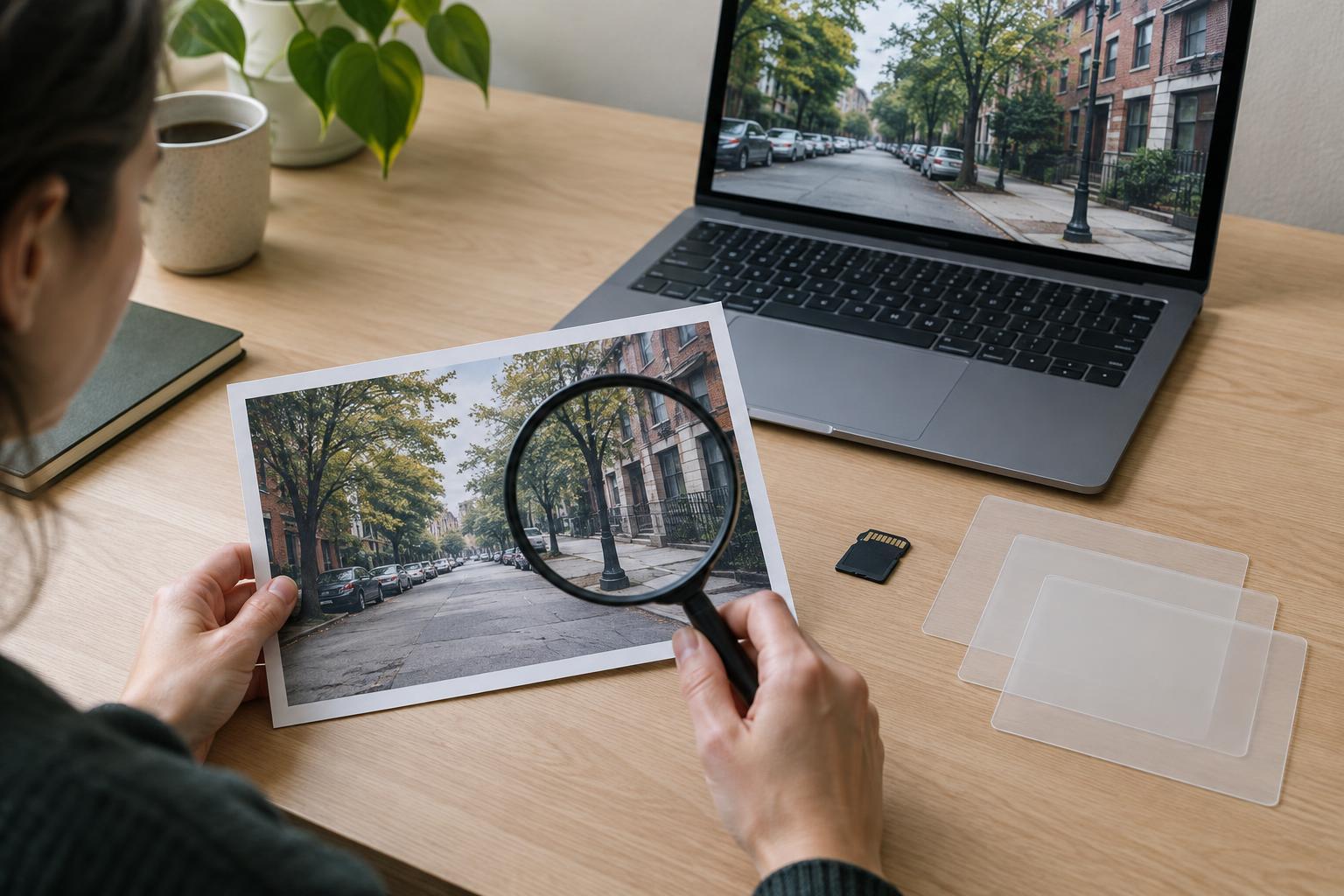
A reverse image search can help you find other places where a photo appears. Try the full image first. If results are sparse, search a crop that includes a distinctive feature, such as a storefront, vehicle or sign. Different crops can produce different matches, particularly when a repost has added text, borders or a new composition.
Pay attention to the dates and descriptions of the results, but do not assume the earliest result you find is the original. Search results are incomplete, and a page’s publication date does not necessarily tell you when the picture was taken. An older appearance can still be useful: if a photo appeared with a different location or event description before the event named in a new post, the new caption needs stronger support. Look for a photographer’s credit, an original post or a fuller set of images that provides context.
Check visual clues without overreading them
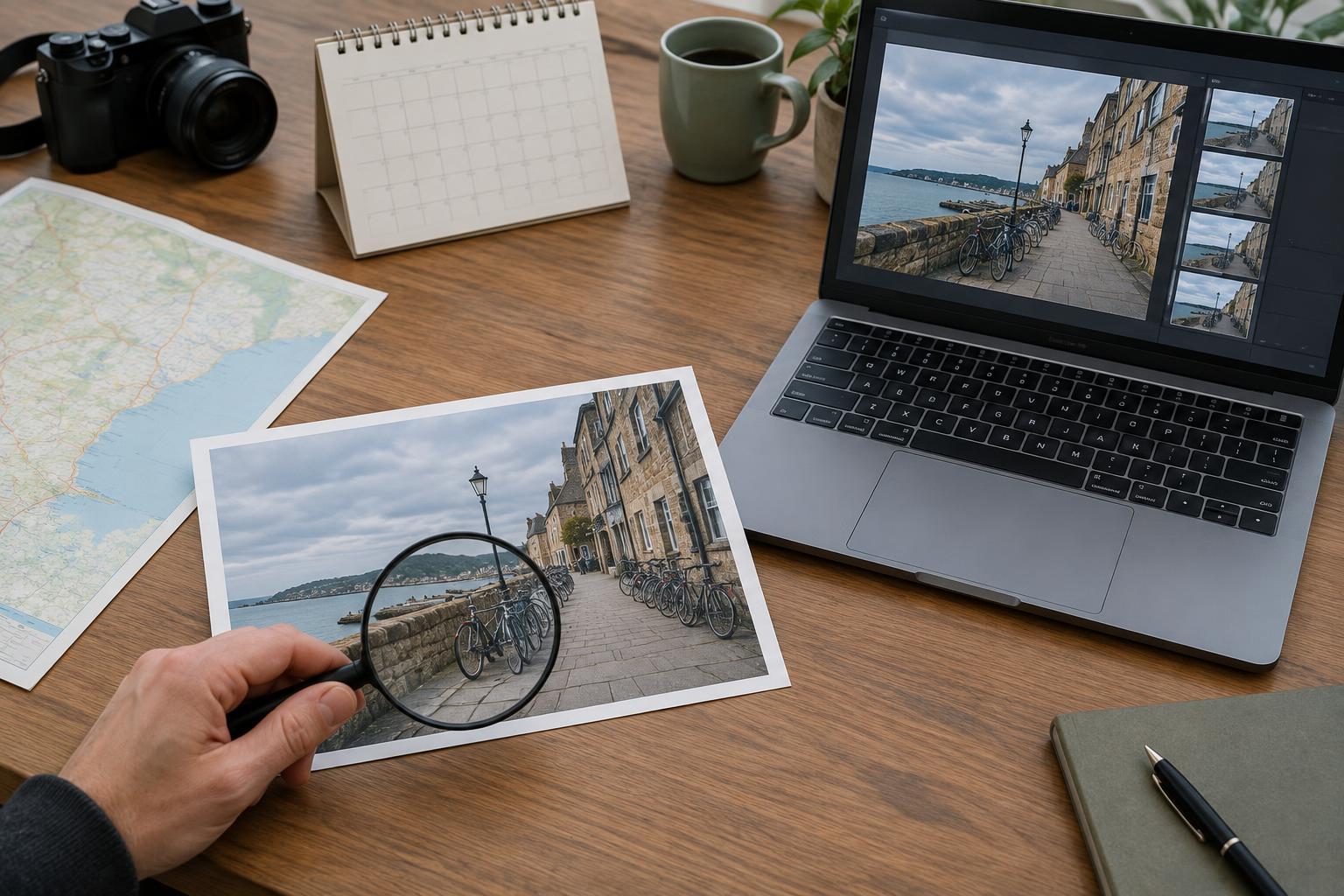
Details within a photo can help test a proposed place or time. Signs, street names, transit markings and recognizable architecture may point toward a location. Shadows, seasonal features or visible event banners may raise questions about a claimed date. Compare these clues with other available images of the supposed scene, especially images that show more of the surroundings.
Visual clues are rarely a complete answer. A sign might name a business rather than a city; a banner may remain in place after an event; weather can change quickly. Cropping also hides context. If the post shows a tight frame, seek a wider version before drawing conclusions about what happened outside it. Use each clue to ask a better question, not to turn a plausible guess into a certainty.
Trace the account of the event
Once you know what the caption alleges, look for independent descriptions of the event. A named venue, organization or participant may have posted information that helps establish when and where it took place. Compare the photo’s visible details with those accounts. Agreement on a location is helpful, but it does not automatically verify every other part of the caption, such as the crowd’s motivation or the outcome of the event.
Be careful with technical shortcuts. Image metadata can sometimes contain a date or location, but social platforms may remove it, and available fields can be changed or reflect when a file was edited. Likewise, an account that first brought a photo to your attention is not necessarily the photographer. The strongest conclusion usually comes from several consistent pieces of context rather than one search result or file detail.
Share the conclusion at the right level of confidence
Your check may show that a photo was taken elsewhere, that it predates the event in the caption or simply that its context remains unclear. Those are different findings. Say which one the evidence supports. “This image appeared online with another event description earlier” is more precise than “the photo is fake” when the photograph itself appears genuine.
If you cannot verify the caption, you do not need to solve the entire mystery before deciding not to share it. You can leave it unamplified, or ask the person posting it for the original image and its source. When you do discuss a misleading post, avoid repeating its unsupported caption as if it were fact. The aim is not to become certain about every image you encounter; it is to keep a real picture from lending undeserved credibility to an unverified story.