From audience to participant
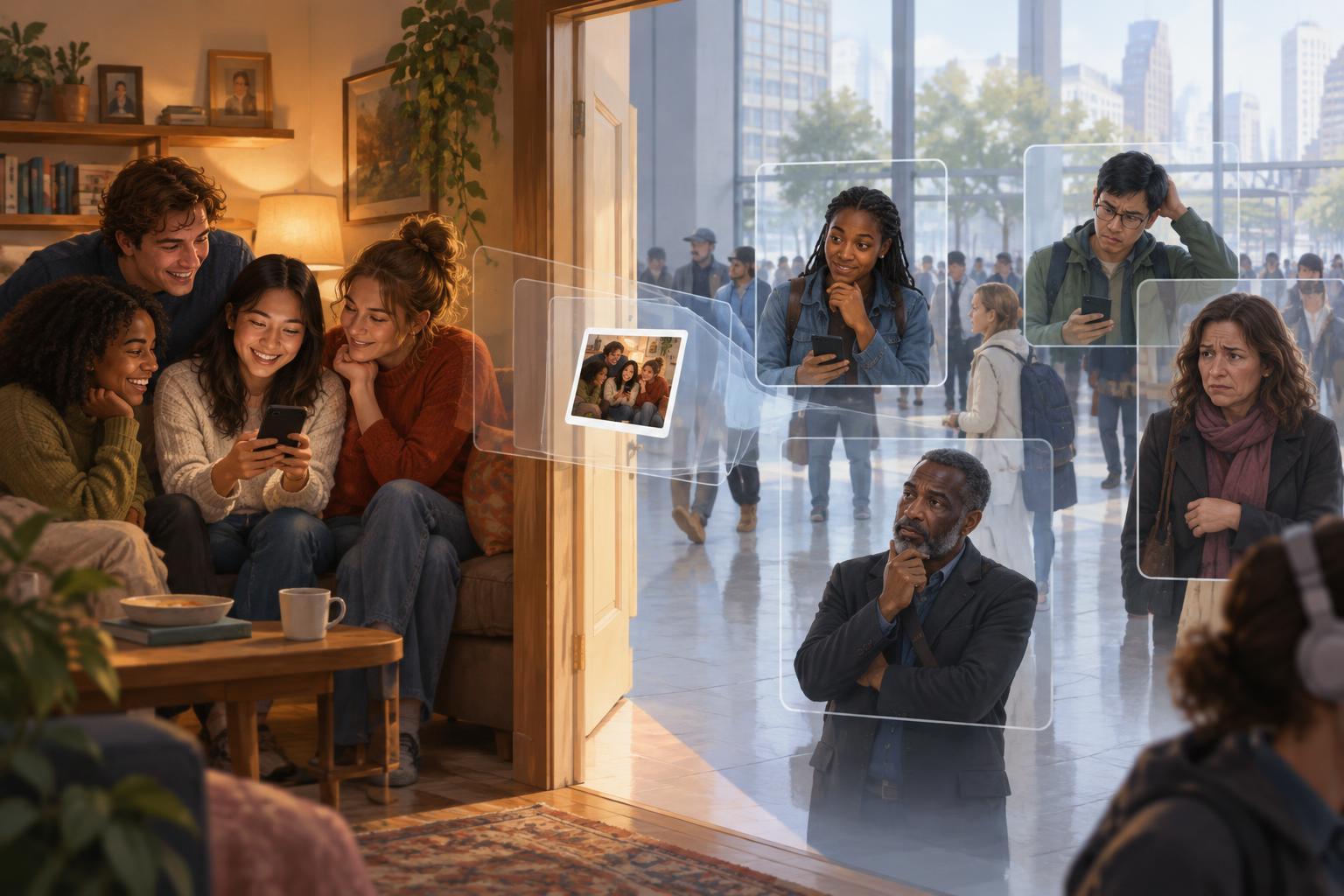
A story does not stop changing when its audience reaches the end. People discuss a character’s choices, imagine a scene from another point of view, or connect a song to a moment they remember. Fan art, fan fiction, and fan edits turn those responses into things others can see, read, and discuss. That exchange is a central part of participatory culture: audiences are not only receiving media but making meaning around it together.
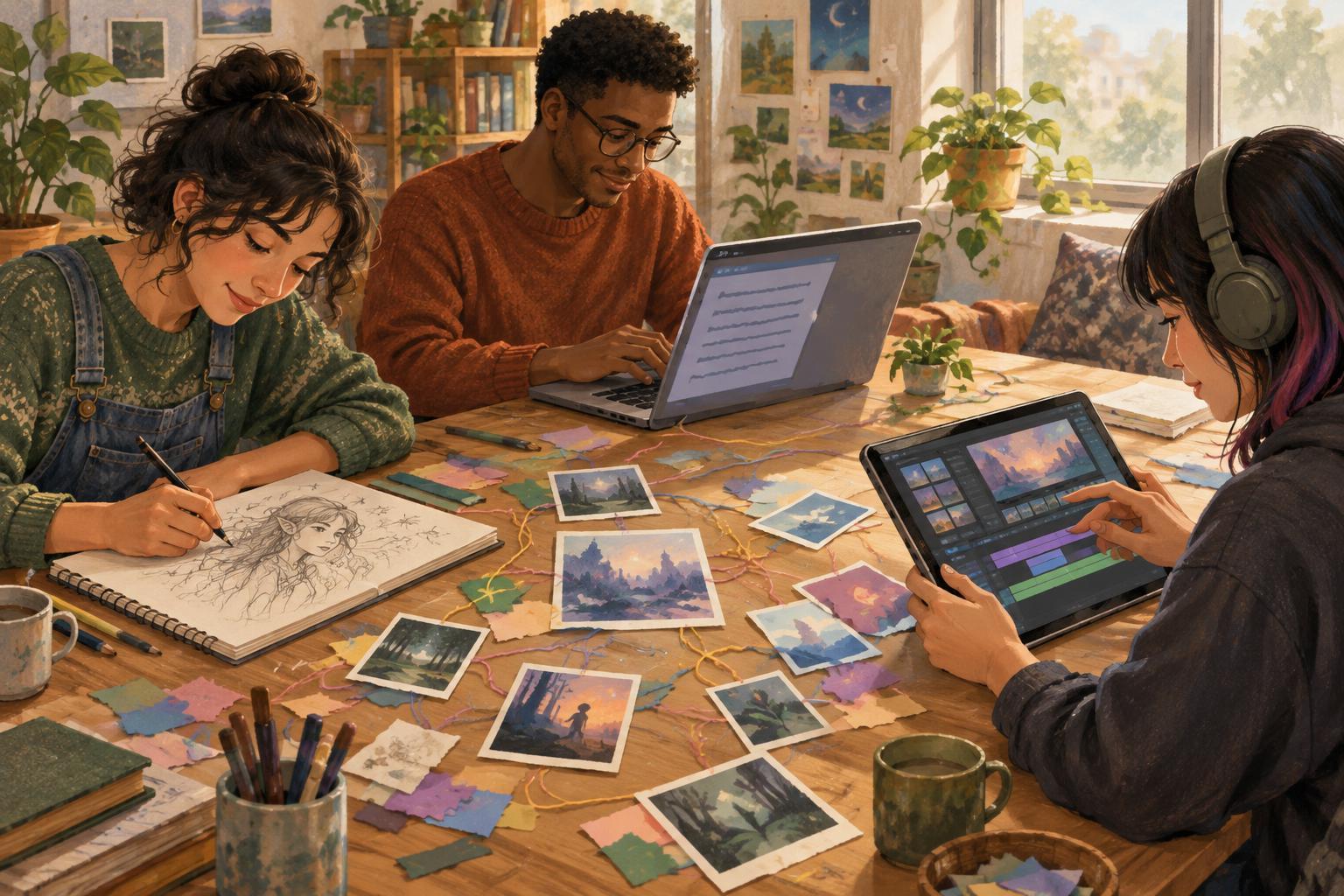
Each form offers a different way in. Fan art gives an interpretation a visual shape, whether that is a portrait, a comic, or a new costume design. Fan fiction uses prose to explore possibilities the original work leaves open. Fan edits arrange existing images, video, or audio to emphasize a mood, relationship, or argument. These categories overlap, and none requires a single level of skill or commitment to count as participation.
Why familiar worlds invite new stories
A shared world gives creators a starting vocabulary. If readers already know two characters and their history, a short story can begin with a small question: What would they say after a difficult scene? An illustration can place them in an unfamiliar setting and let their expressions carry the idea. An edit can bring together moments from different episodes to show a pattern a viewer noticed. The pleasure lies partly in recognizing what has changed and what has stayed familiar.
Fan works can also make room for experiences or interpretations that someone did not find in the source. One person may want a quieter conversation between friends; another may imagine a different ending. Those choices need not be predictions about what the official story will do. They are creative responses. Comments, recommendations, and collaborative prompts can then extend the work further, giving participants a sense of conversation rather than a one-way broadcast.
How communities shape what gets made
Fan communities develop shared habits that help people find and understand one another’s work. Tags can signal a character, pairing, tone, or subject a reader would rather avoid. Captions can explain the idea behind an illustration. A creator might label an edit as humorous or dramatic so its intended reading is clearer. These small pieces of context matter because the same source material can support very different interpretations.
Community norms are not identical everywhere. Some spaces welcome works in progress and enthusiastic suggestions; others treat unsolicited criticism as discouraging. Before posting or responding, it helps to notice how people credit collaborators, label sensitive material, and ask for feedback. A friendly comment can name a specific detail you enjoyed instead of demanding the next chapter or a different ending. Participation includes making space for other people’s choices.
Credit, boundaries, and the limits of sharing
Sharing a fan work is not the same as making every part of it available for reuse. If you want to repost someone’s drawing, translate a story, or use an artist’s image in an edit, check their stated preferences and ask when permission is unclear. Credit tells viewers who made something, but it does not replace permission. The same care applies to collaborators: agree on how names and contributions will appear before publishing.
Fan creators also work with material they did not originate, which can raise copyright and platform-policy questions. Rules and outcomes depend on the material, the use, and the context; there is no simple guarantee that a fan work is permitted merely because it is noncommercial or transformative. A practical approach is to learn the rules of the place you post, avoid presenting your work as official, and be prepared to change how you share it if a rights holder or platform objects.
A thoughtful way to join in
You do not need a large project to begin. Sketch a single moment, write a short exchange, or make an edit around one clear idea. Give viewers enough context to follow it, credit the people whose work you use where appropriate, and label elements that may affect whether someone wants to engage. If you are entering an established community, spend a little time reading its conventions before posting.
The most rewarding part may be what happens after the work is shared: someone notices a detail, offers their own interpretation, or makes something in response. Fan culture grows through these connections, not through a requirement that everyone agree on the definitive reading. Treating other creators and audiences with care leaves room for the next person to add their perspective.