How to Build a Multi-Channel Marketing Strategy
Unlock the power of multi-channel marketing! Discover how to craft a winning strategy and connect with your audience across every touchpoint. In today’s digital landscape, relying on a single channel is no longer sufficient. A robust multi-channel marketing strategy is essential to reach your target audience effectively and drive meaningful results.
Understanding Multi-Channel Marketing
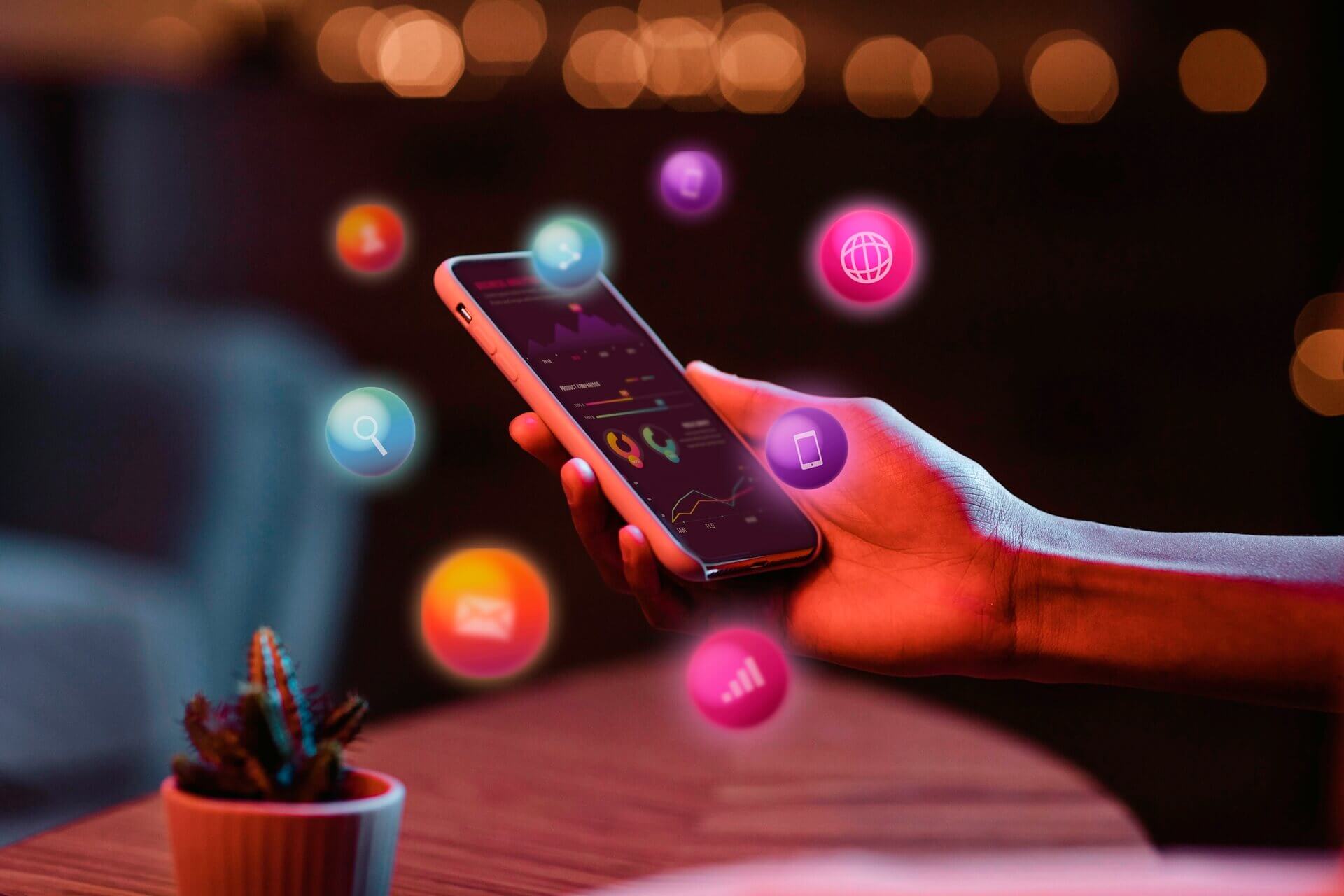
Multi-channel marketing involves interacting with customers across various platforms, both online and offline. These channels can include email, social media, search engines, websites, mobile apps, and even traditional mediums like print and direct mail. The key is to create a consistent and integrated experience across all these touchpoints.
Why is Multi-Channel Marketing Important?
- Increased Reach: Connect with a wider audience by engaging them on their preferred channels.
- Enhanced Customer Experience: Provide a seamless and personalized experience across all touchpoints.
- Improved Brand Awareness: Reinforce your brand message consistently across multiple platforms.
- Higher Conversion Rates: Nurture leads effectively by engaging them throughout the customer journey.
Developing Your Multi-Channel Marketing Strategy
Building a successful multi-channel marketing strategy requires careful planning and execution. Here are the essential steps to follow:
1. Define Your Target Audience
Before you can choose the right channels, you need to understand your target audience. Identify their demographics, interests, behaviors, and preferred communication channels. Use data analytics, surveys, and customer feedback to gain valuable insights.
2. Choose the Right Channels
Select the channels that align with your target audience and marketing goals. Consider the strengths and weaknesses of each channel, and how they can be used to complement each other. For example, social media can be used to build brand awareness, while email marketing can be used to nurture leads and drive conversions.
3. Create Consistent Branding and Messaging
Maintain a consistent brand identity and messaging across all channels. Use the same logo, colors, fonts, and tone of voice. Ensure that your messaging is relevant and engaging for each specific channel, while still reflecting your overall brand values.
4. Integrate Your Channels
Break down the silos between your marketing channels and create a seamless customer experience. Integrate your email marketing with your CRM system, connect your social media accounts with your website, and use marketing automation to streamline your campaigns. An integrated marketing campaign is key to multi-channel success.
5. Personalize Your Messaging
Personalization is crucial for multi-channel marketing success. Use customer data to tailor your messaging and offers to each individual customer. Segment your audience based on demographics, interests, and behaviors, and create personalized content that resonates with each segment.
6. Track and Measure Your Results
Use analytics tools to track and measure the performance of your multi-channel marketing campaigns. Monitor key metrics such as website traffic, lead generation, conversion rates, and customer engagement. Use these insights to optimize your campaigns and improve your ROI. Understanding your customer acquisition cost across channels is also crucial.
Omnichannel vs. Multi-Channel Marketing: What’s the Difference?
While often used interchangeably, omnichannel and multi-channel marketing are distinct concepts. Multi-channel marketing focuses on using multiple channels to reach customers, while omnichannel marketing focuses on creating a seamless and integrated customer experience across all channels. Omnichannel provides a more holistic, customer-centric approach.
Examples of Successful Multi-Channel Marketing Campaigns
Many brands have successfully implemented multi-channel marketing strategies to drive results. Here are a few examples:
- Starbucks: Uses a mobile app, email marketing, and social media to engage customers and promote their loyalty program.
- Nike: Uses social media, email marketing, and personalized website experiences to connect with customers and promote their products.
- Sephora: Integrates their online and offline channels to provide a seamless shopping experience, offering in-store pickup for online orders and personalized recommendations based on past purchases.
Conclusion
Building a multi-channel marketing strategy is essential for reaching your target audience and driving meaningful results in today’s digital landscape. By following the steps outlined in this article, you can create a winning strategy that connects with your audience across every touchpoint and helps you achieve your marketing goals.
What are your experiences with multi-channel marketing? Share your thoughts in the comments below!